Unraveling Event-Tied Reward Chains That Link Major Tournaments to Layered Engagement Tracks Across British Digital Wagering Platforms
Mia Simmons · Aug 4, 2026
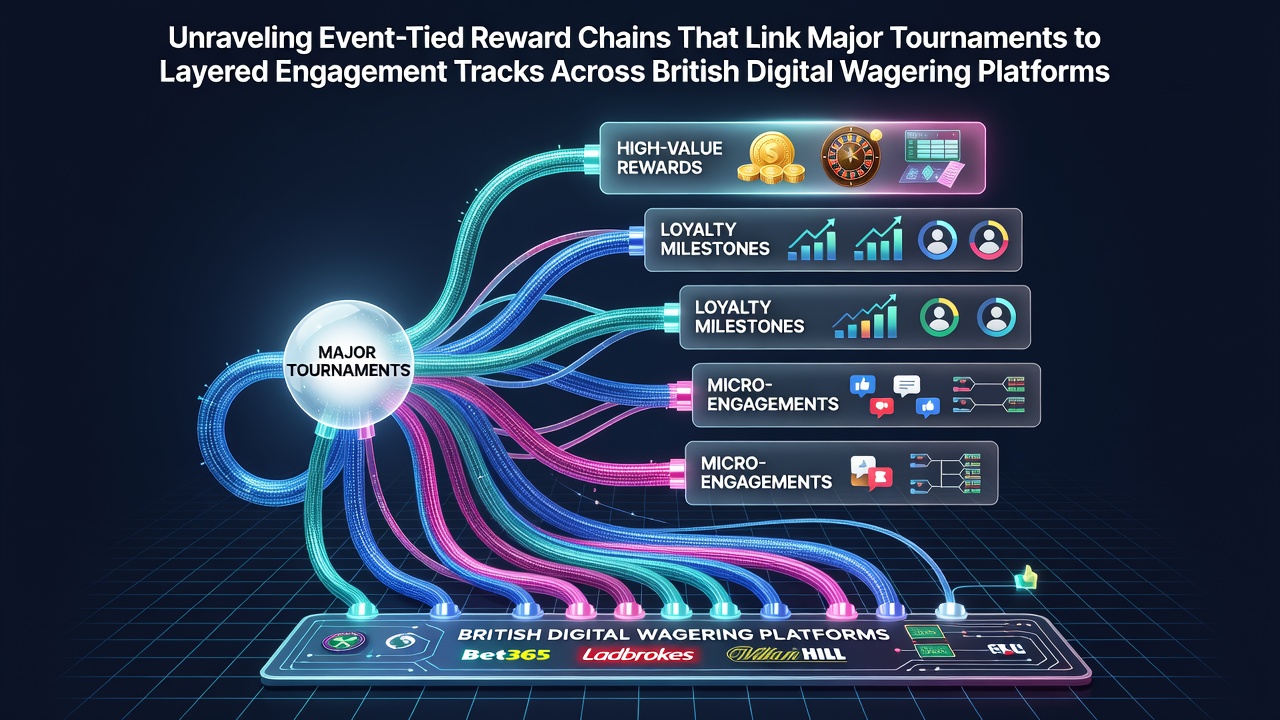
Unraveling Event-Tied Reward Chains That Link Major Tournaments to Layered Engagement Tracks Across British Digital Wagering Platforms
British digital wagering platforms structure reward systems around major tournaments by creating sequential chains that connect initial event participation to extended engagement layers across sports and gaming verticals, and data from industry reports shows these mechanisms activate during peak periods such as the start of the 2026 football season in August.
Mapping Tournament Triggers to Initial Reward Layers
Platforms tie entry points in these chains to specific tournament fixtures where users place qualifying bets on events like Premier League openers or international cricket series, which then unlock base incentives that feed into secondary tracks. Researchers at the University of Nevada's gaming studies program have documented similar patterns in European markets, noting how single-event triggers expand into multi-stage progressions that maintain user activity over weeks rather than isolated matches.
One common structure begins with a tournament-specific deposit match that converts into credits applicable to both sports and casino sections, while subsequent legs require continued participation in related fixtures to advance the chain. This approach aligns with observations from the European Gaming and Betting Association, where EGBA reports indicate cross-vertical linkages increased retention metrics during major 2025-2026 events by measurable percentages across operator data sets.
Layered Tracks and Cross-Vertical Progression
Engagement tracks typically progress through three or four stages, starting with sports betting on the primary tournament and moving into casino or virtual gaming modules once thresholds are met. Platforms implement these layers by requiring cumulative activity, such as a set number of tournament bets followed by spins or table game wagers, to release additional tiers that include enhanced multipliers or bonus credits valid across both environments.
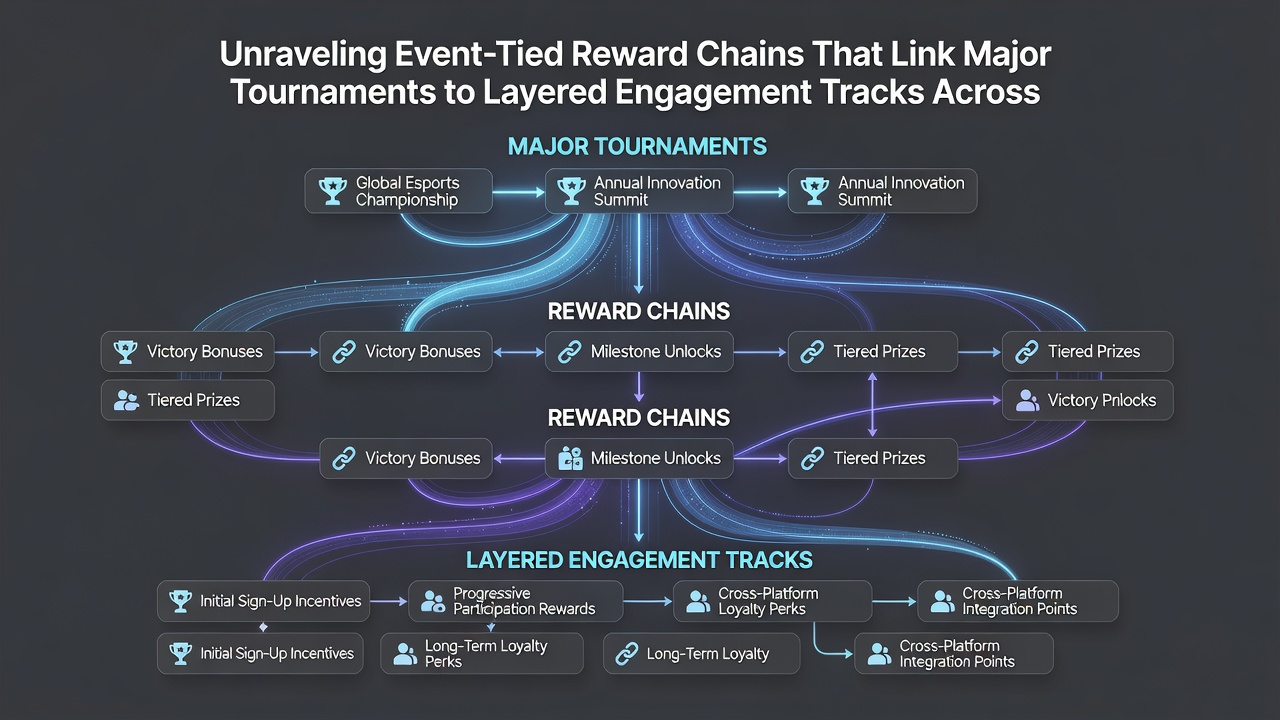
August 2026 sees several operators refreshing these chains ahead of the new domestic season, incorporating real-time adjustments based on fixture schedules so that progression remains tied to live tournament developments. Evidence from Australian gambling research centers, including studies published by the University of Sydney's gambling treatment unit, highlights how such sequenced structures appear in multiple jurisdictions and produce sustained platform interaction when tournament calendars provide consistent anchor events.
Technical Implementation Across Platforms
Digital systems track these chains through centralized user accounts that log activity across integrated sportsbooks and casinos, applying algorithmic rules to determine when a user advances from one layer to the next. Operators use event APIs to synchronize reward availability with tournament schedules, ensuring chains activate only during designated windows such as group stages or knockout rounds. Those who have analyzed operator filings note that backend integration allows seamless transfer of value between verticals while maintaining separate compliance logs for each product type.
Progression mechanics often include time-bound elements that expire if engagement gaps occur, which encourages consistent participation throughout the tournament lifespan. Figures from North American regulatory analyses, such as those compiled by the Nevada Gaming Control Board on digital platform behaviors, reveal parallel chain designs that operators adapt for British markets to align with local fixture calendars and seasonal peaks.
Regulatory Context and Compliance Factors
British platforms must balance these reward chains with advertising standards and responsible gaming requirements that govern how promotions link across products. Documentation from the Malta Gaming Authority, which oversees several operators active in the UK market, outlines technical standards for tracking multi-stage bonuses to prevent unintended accumulation beyond intended limits. These frameworks require clear disclosure of progression rules at each layer so users understand the conditions attached to advancing through tournament-tied sequences.
Operators conduct regular audits of chain mechanics to verify that event triggers function as specified and that layered rewards do not create compliance gaps when users move between sports and casino sections. Data aggregated by international trade groups shows that transparent chain structures correlate with lower dispute rates during high-volume tournament periods such as those expected in late summer 2026.
Conclusion
Event-tied reward chains on British digital wagering platforms function as structured progressions that connect major tournament activity to layered engagement across sports and gaming offerings. Available reports from university research programs, European industry associations, and international regulatory bodies demonstrate consistent implementation patterns that tie initial tournament participation to extended tracks. These systems rely on scheduled fixture data and cross-vertical tracking to maintain progression through August 2026 and beyond, with operators adjusting parameters to align with evolving tournament calendars while adhering to established compliance protocols.