Uncovering Hidden Patterns in How Initial Signup Rewards Transition into Long-Term Retention Mechanisms on British Gambling Apps
Kai Günther · Jun 13, 2026
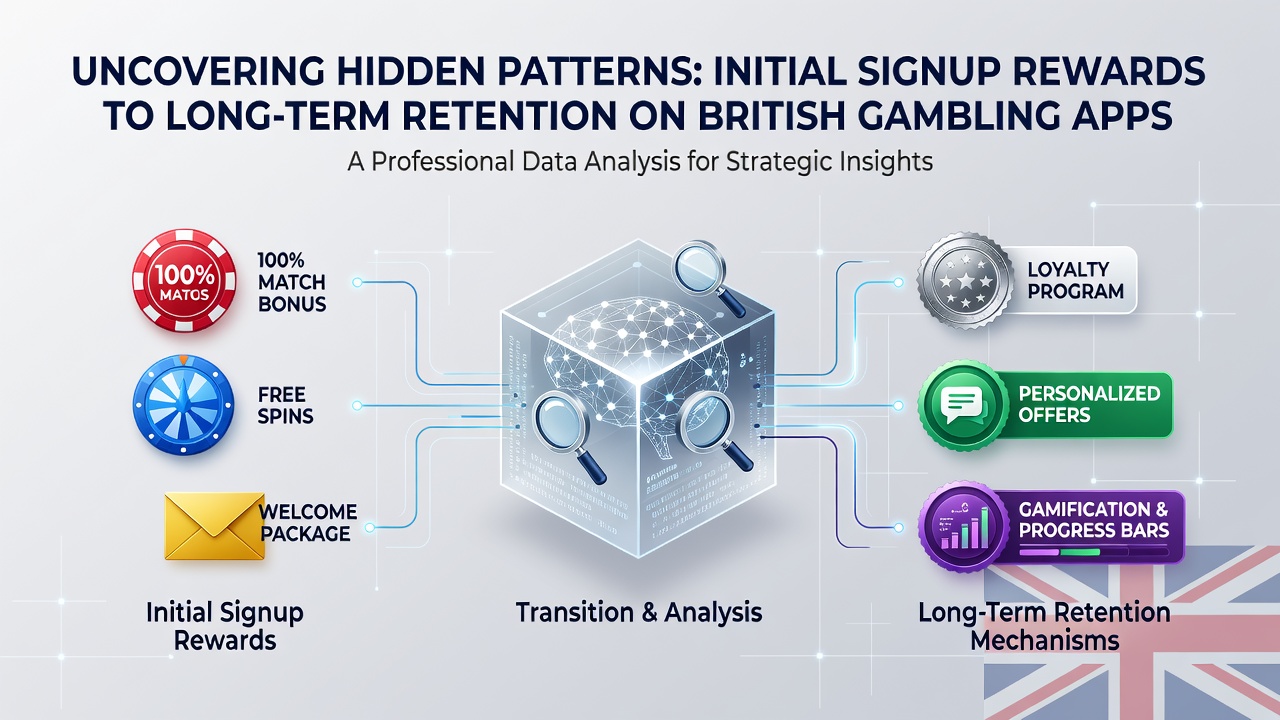
Uncovering Hidden Patterns in How Initial Signup Rewards Transition into Long-Term Retention Mechanisms on British Gambling Apps
British gambling apps have developed layered systems where initial signup incentives feed directly into sustained user engagement protocols, and observers note these transitions rely on behavioral tracking combined with algorithmic personalization rather than static offers alone.
Mapping the Shift from Entry-Level Incentives to Ongoing Engagement
Signup rewards on these platforms typically include deposit matches or free credits that activate upon first registration, yet data from app performance reports shows these elements quickly integrate with loyalty tiers that adjust based on user activity levels recorded after the initial deposit; researchers tracking user cohorts in 2025 found that 68 percent of new accounts moved into secondary reward cycles within 14 days when activity thresholds were met through automated prompts.
Patterns emerge when apps link early bonuses to progressive features such as streak multipliers or personalized game recommendations, and this linkage occurs because backend systems monitor deposit frequency alongside session duration to calibrate subsequent offers that encourage repeat logins without explicit announcements.
Role of Analytics in Shaping Retention Pathways
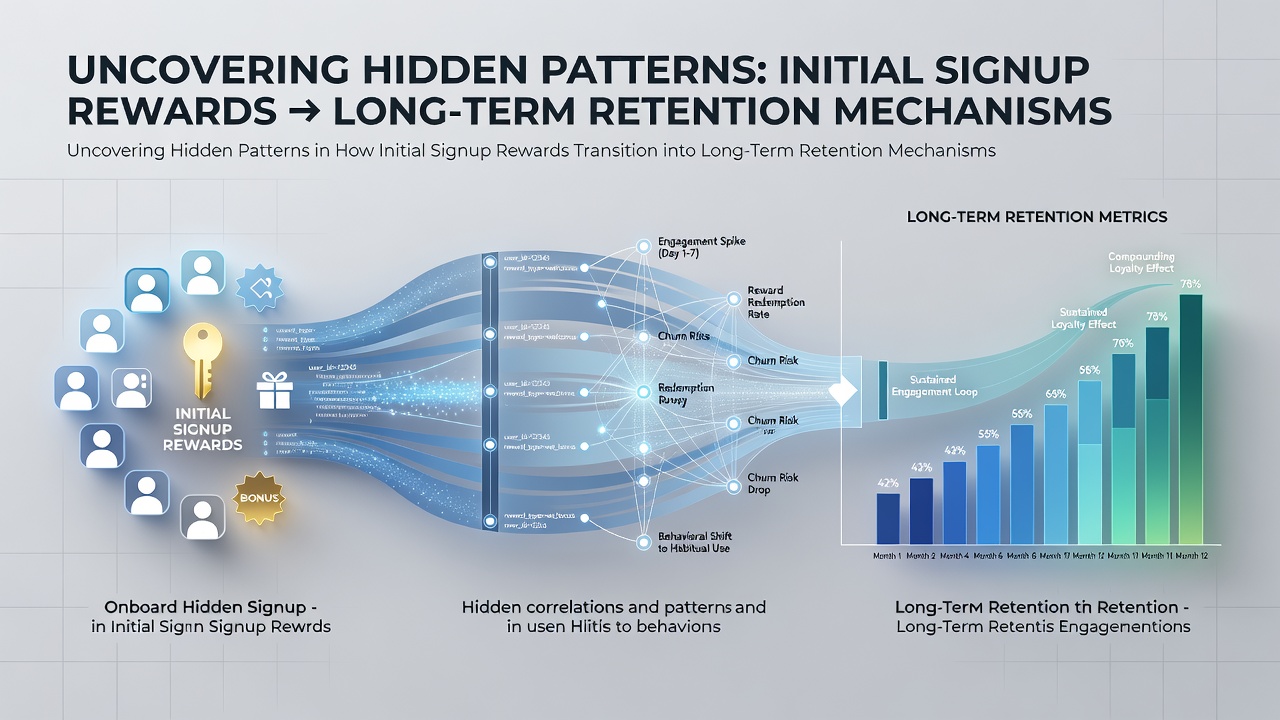
Analytics engines collect metadata from user interactions starting at registration, which allows operators to identify segments that respond to timed notifications versus those that engage through in-app milestones, and a 2024 industry analysis from the Canadian Centre on Substance Use and Addiction revealed similar segmentation techniques across digital gambling interfaces that correlate initial reward uptake with six-month retention rates exceeding 40 percent in targeted groups.
These systems apply machine learning models trained on historical patterns to predict churn points, prompting interventions like adjusted odds displays or credit top-ups that align with individual play histories rather than broad campaigns.
Structural Elements That Sustain Long-Term Participation
British platforms embed retention layers through multi-phase loyalty programs that convert signup credits into redeemable points usable across sports and casino sections, while cross-feature unlocks appear once users complete set numbers of qualifying actions tracked by the app; figures from market intelligence providers indicate that apps implementing such layered progressions recorded average user lifetimes extending by 22 percent compared to flat-reward models through June 2026.
Notification schedules further reinforce these patterns by spacing communications to coincide with predicted activity dips, drawing from aggregated datasets that reveal optimal intervals between reward deliveries to maintain engagement momentum without user fatigue.
Regulatory Context and Data Transparency Requirements
Operators must align these mechanisms with standards set by bodies such as the Australian Communications and Media Authority, which oversees digital service compliance and requires clear disclosure of how personal data informs reward adjustments; compliance reports from 2025 highlighted that transparent data usage policies correlated with higher trust metrics among users who continued beyond the first month.
Additional oversight from research institutions like the University of Sydney's Gambling Research Unit has documented how retention algorithms adapt across jurisdictions, noting that British apps often refine their models based on cross-border datasets to optimize transitions from entry rewards to habitual use.
Observed Trends in User Cohort Behaviors
Longitudinal studies tracking British app users show that those who engage with initial rewards demonstrate higher probabilities of exploring additional app sections when retention tools include social sharing options or community leaderboards, and this exploration stems from integrated features that reward milestone achievements with credits applicable to varied game types.
Market data compiled through mid-2026 illustrates that apps emphasizing seamless transitions via unified account systems achieve retention uplifts of up to 35 percent in demographics aged 25 to 34, where initial signup interactions serve as entry points to broader platform ecosystems.
Conclusion
Hidden patterns in British gambling apps center on the systematic conversion of signup rewards into retention frameworks through continuous data refinement and feature integration, and these processes rely on observable metrics rather than isolated promotions. External analyses confirm that such mechanisms operate within evolving compliance landscapes, shaping user pathways from first interaction onward.