Retention Architectures: How British gambling operators link entry incentives to sustained multi-platform engagement
Wendy Friedrich · Jul 14, 2026
Retention Architectures: How British gambling operators link entry incentives to sustained multi-platform engagement
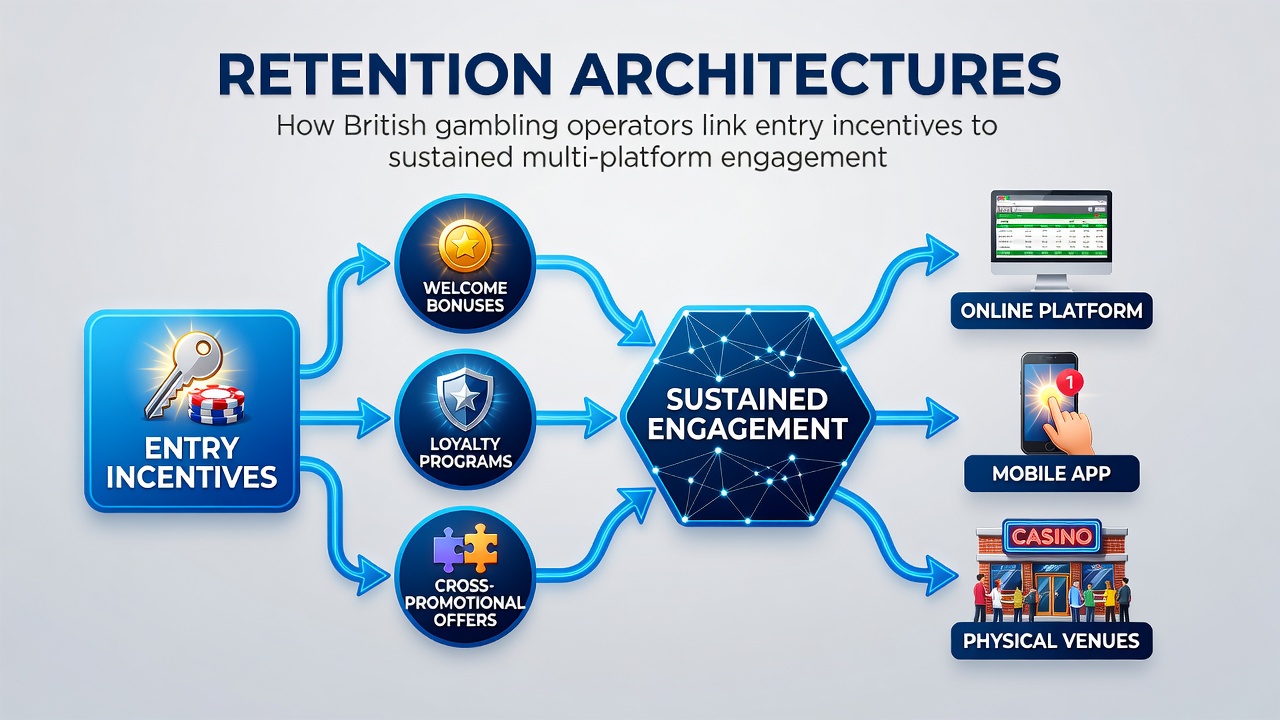
British gambling operators construct retention architectures that convert initial sign-up offers into ongoing participation across sportsbooks, casino platforms, and mobile applications, and these systems rely on sequenced rewards that encourage repeated deposits and cross-category activity. Data from industry analyses show operators track user behaviour through loyalty tiers that unlock enhanced odds, cashback percentages, and free spin allocations once players complete initial wagering requirements on welcome packages. According to figures released by the National Council on Problem Gambling in the United States, similar cross-promotional mechanics appear in multiple regulated markets and demonstrate measurable lifts in session frequency when entry bonuses feed directly into secondary verticals.
Mechanics of Entry Incentives and Their Extension
Operators structure welcome bonuses so that the first deposit triggers not only a matched amount but also a series of conditional rewards that activate only after activity on additional platforms, and this design creates pathways from sports betting into casino games or vice versa. Research indicates that deposit-match offers frequently include milestone triggers, such as placing a minimum number of accumulators or reaching a certain casino coin total, which then release mobile-exclusive odds boosts or additional spins. Those who've examined operator terms note that these triggers often reset on a weekly basis, maintaining momentum without requiring new customer acquisition spend.
Multi-Platform Sequencing Observed in July 2026
As of July 2026, several major British operators had expanded their architectures to include real-time linkages between live sports markets and virtual table games, where a settled bet on one app automatically qualifies the user for casino credits on another. Reports from Gambling Research Australia highlight that such automated flows increase average revenue per user by routing engagement through multiple product lines rather than isolating it within a single vertical. Operators achieve this through unified account wallets that recognise activity across devices and feed data into centralised loyalty engines.
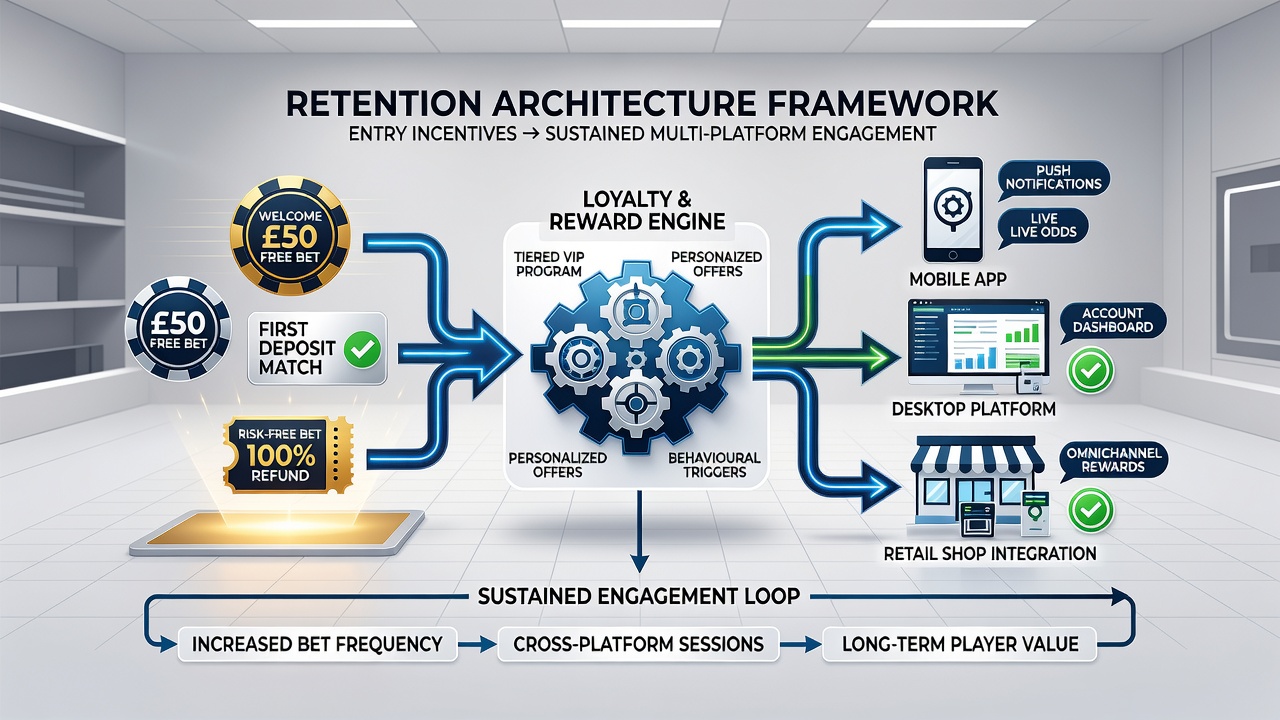
These engines assign points that convert into platform-specific perks, and players who move between sports and slots within the same week receive accelerated tier progression compared with single-category users. The result appears in dashboards that display pending rewards tied to the next platform milestone, keeping the incentive visible at every login.
Data Patterns and Cross-Vertical Engagement
Industry reports reveal that operators employing chained incentives record higher retention rates at the 30-day and 90-day marks than those relying on standalone welcome offers. A study published by the International Center for Responsible Gaming examined account-level data from multiple jurisdictions and found correlations between the number of active product categories and the length of active player spells. British firms apply these insights by embedding cross-vertical requirements into bonus terms, such as requiring both a sports stake and a casino spin before releasing the final tranche of matched funds.
July 2026 saw increased deployment of push notifications that surface the next available reward only after the user opens a second platform, and this timing aligns with observed peaks in evening engagement across devices. Observers note that such notifications reference prior activity without revealing full terms, prompting users to navigate the app ecosystem to claim the benefit.
Technical Infrastructure Supporting Retention
Backend systems integrate customer relationship management tools with real-time event tracking, allowing operators to adjust reward thresholds based on cohort behaviour rather than fixed calendars. When a player completes an entry-level sports wager, the system evaluates eligibility for casino progression automatically and surfaces the opportunity within the same session. This reduces friction while preserving the requirement that users demonstrate engagement across categories before unlocking higher-value incentives.
External audits of these architectures confirm that operators maintain separate ledgers for each vertical yet synchronise them through a master loyalty profile, ensuring that progress in one area contributes to status in others. The approach minimises duplicate bonus claims while maximising the perceived value of continued participation.
Conclusion
British gambling operators continue to refine retention architectures that tie initial deposit incentives to sustained activity across multiple platforms, and the patterns observed through mid-2026 indicate ongoing investment in unified tracking and sequenced rewards. These systems rely on data-driven triggers rather than static offers, creating measurable pathways that extend engagement beyond the first deposit cycle. Regulatory oversight in various markets, including reports from bodies outside the United Kingdom, continues to monitor the impact of such mechanics on player behaviour and overall market dynamics.