Payment Pathways and Tiered Unlocks: How Deposit Methods Shape Ongoing Reward Structures on British Digital Wagering Platforms
Kai Günther · Aug 11, 2026
Payment Pathways and Tiered Unlocks: How Deposit Methods Shape Ongoing Reward Structures on British Digital Wagering Platforms
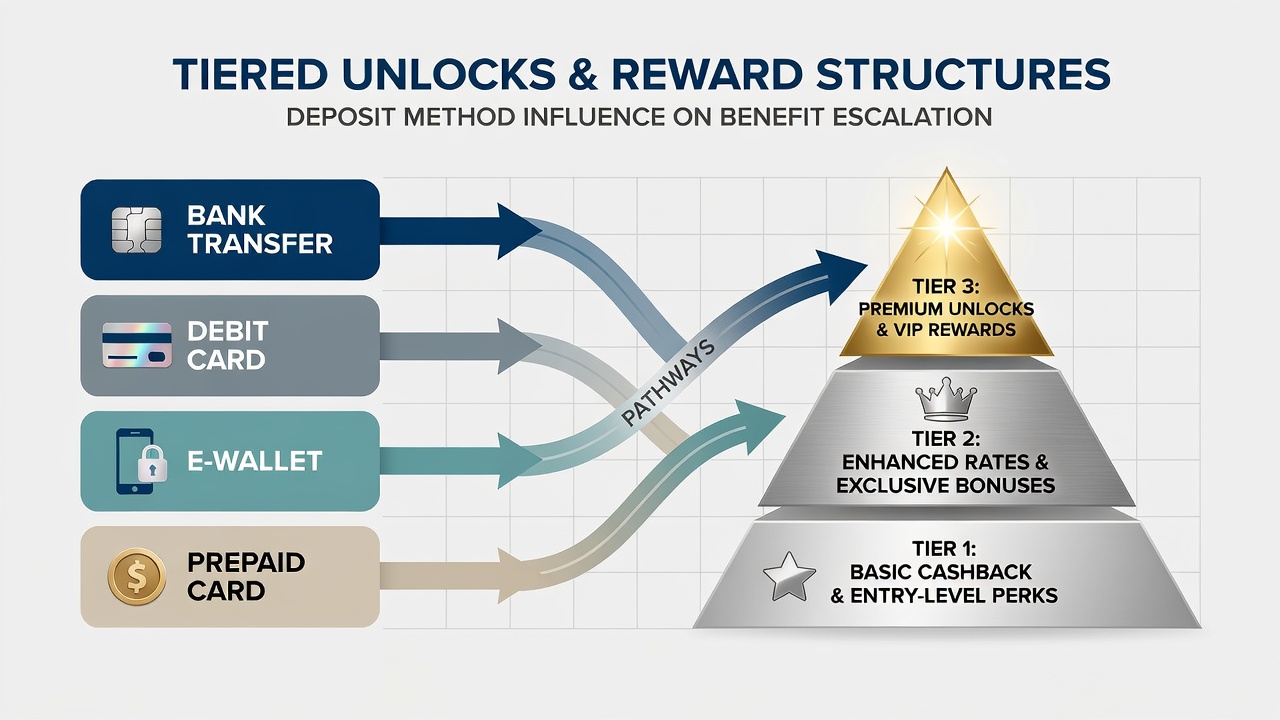
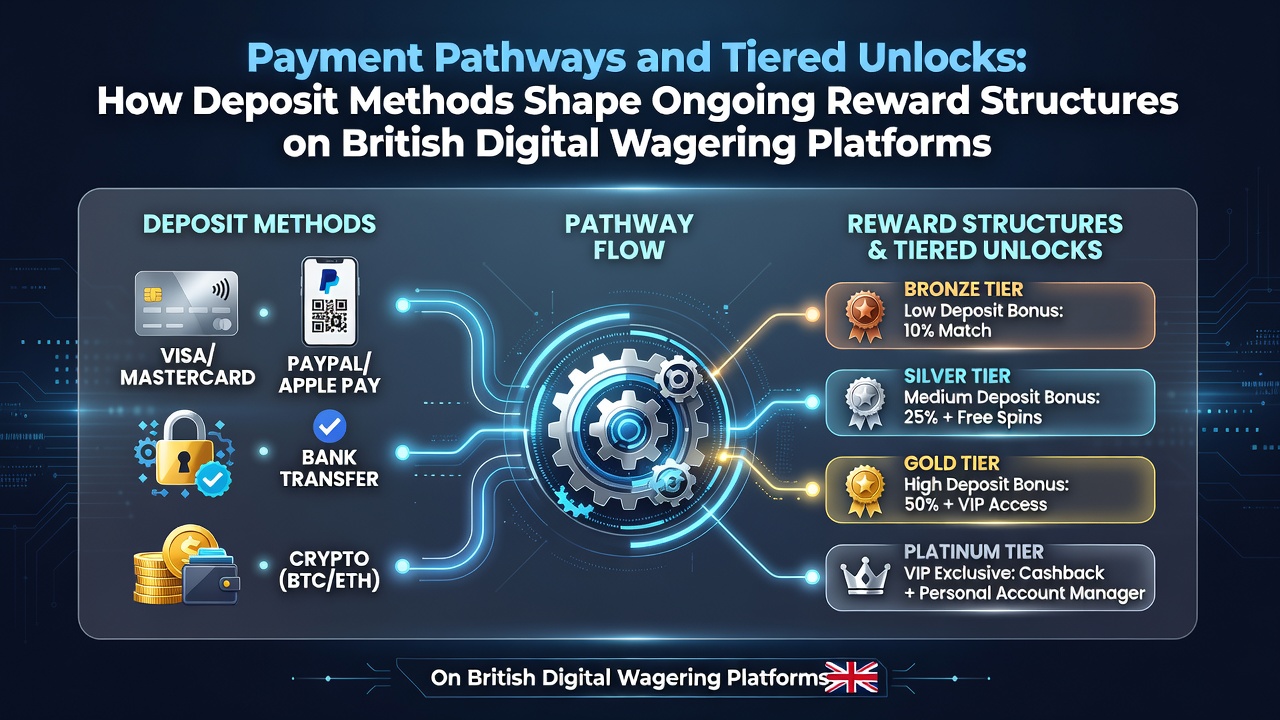
British digital wagering platforms structure their reward systems around the specific deposit methods users select, and this connection determines how quickly accounts progress through loyalty tiers while unlocking recurring benefits such as cashback percentages, enhanced odds eligibility, and periodic bonus credits. Observers note that debit card deposits often activate base-level rewards immediately, whereas bank transfers and certain e-wallets require additional verification steps that delay but ultimately expand access to higher-value ongoing structures. Payment pathways function as entry points that platforms map directly to tier progression rules, and data from industry reports shows users who rely on instant methods like digital wallets complete the initial unlock phases faster than those processing through slower bank channels. Researchers at academic institutions tracking transaction patterns across Europe found that platforms adjust reward multipliers based on the speed and frequency of deposits, with e-wallet pathways frequently tied to accelerated cashback schedules that compound over multiple months.Deposit Method Categories and Their Direct Links to Reward Activation
Platforms categorize deposits into groups that include debit cards, credit cards where permitted, e-wallets, prepaid vouchers, and bank transfers, and each group carries distinct conditions for reward eligibility. Those who deposit via Apple Pay or similar services often see immediate credit toward loyalty points, while bank transfer users encounter holding periods before the same points accrue. This differentiation shapes ongoing structures because platforms calculate recurring bonuses on the basis of verified deposit velocity within each category. Figures from payment industry analyses reveal that e-wallet transactions correlate with higher retention in mid-tier programs, and this occurs because those methods support smaller, more frequent deposits that align with the platforms' algorithmic thresholds for maintaining active status. In contrast, larger one-off bank transfers may push users into higher tiers faster yet limit access to daily micro-rewards that accumulate through repeated smaller actions.Tiered Unlock Mechanics Driven by Payment Choices
Tier progression on these platforms depends on cumulative deposit volume filtered through method-specific multipliers, and experts observe that certain pathways grant bonus multipliers on points earned from the outset. For instance, users routing funds through designated e-wallets receive an automatic uplift in their tier advancement rate, whereas standard debit card deposits follow a linear scale without additional coefficients. August 2026 updates to several major platforms adjusted these multipliers to reflect new settlement times for digital currencies, thereby altering how quickly ongoing rewards such as free game credits become available. The mechanics extend beyond initial sign-up because platforms re-evaluate tier status monthly using the predominant deposit method recorded during the review period. Observers tracking these systems note that switching methods mid-cycle can reset or accelerate progress depending on the new pathway's assigned weight, and this creates strategic decisions around which funding source to prioritize for sustained reward access.