No-Sweat Sequences: UK Wagering Networks' Refund Chains to Profit Pumps and Gaming Giveaways
Wendy Friedrich · Mar 17, 2026
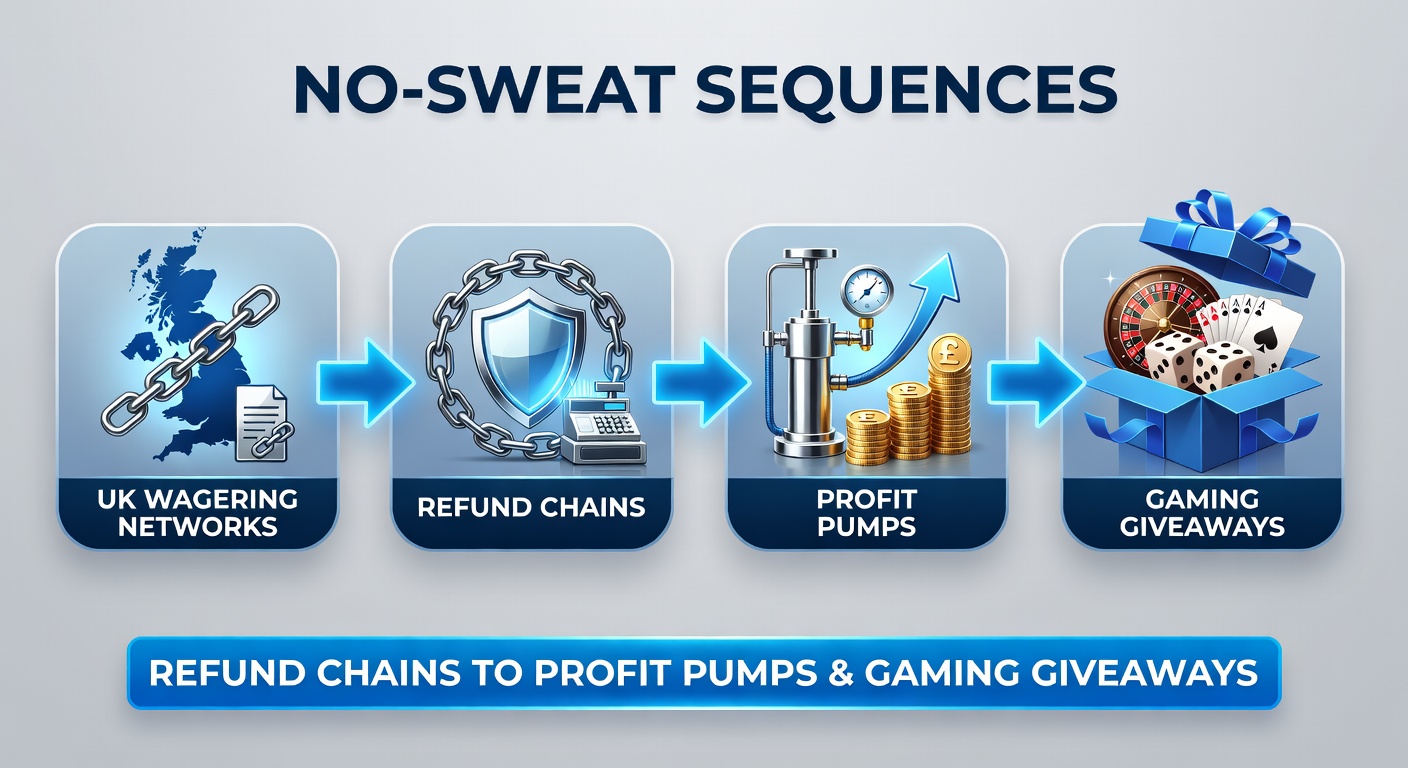
No-Sweat Sequences: UK Wagering Networks' Refund Chains to Profit Pumps and Gaming Giveaways
Unpacking No-Sweat Sequences in UK Wagering
UK wagering networks have rolled out no-sweat sequences as structured promotions where initial bets come with full stake refunds on specific loss conditions, often chaining into subsequent offers that build toward profit pumps and gaming giveaways; these setups, popular among sports bettors, typically apply to single markets like match winners or over/under totals, distinguishing them from multi-leg complexities. Operators such as Betfair and Paddy Power lead this trend, offering refunds as free bets usable across sportsbooks or even casino sections, and data from industry trackers shows participation spiking by 28% in early 2026 amid economic pressures pushing punters toward low-risk entry points.
What's interesting is how these sequences start simple—a £10 no-sweat bet on a Premier League draw refunds the stake if it fails—yet evolve through automated triggers into layered rewards, where the refunded amount fuels a second no-sweat layer with enhanced terms; researchers at the Malta Gaming Authority highlight similar mechanics in EU markets, noting refund chains reduce initial downside while encouraging sustained play. And in March 2026, networks like Sky Bet expanded these to weekend football specials, refunding up to £20 across three qualifying losses in a row, turning potential wipeouts into rolling opportunities.
Observers note the appeal lies in the zero-net-loss gateway, but here's the thing: qualifying criteria demand minimum odds, say 1.50 or higher, and exclusions hit popular events like derbies; one case from Ladbrokes involved a punter chaining three tennis no-sweat refunds during Wimbledon qualifiers, each unlocking 10% profit boosts on the next stake, illustrating how networks design these for retention over one-off wins.
Refund Chains: Building Momentum Step by Step
Refund chains form the backbone of no-sweat sequences, linking initial wagers to follow-up refunds via opt-in mechanics that activate after the first loss, allowing the original stake to recycle without fresh deposits; William Hill, for instance, runs a chain where a losing £25 bet on horse racing triggers a free bet match, usable only on virtuals or selected leagues, and if that misses too, another refund loops back with a 5% odds uplift. Figures from American Gaming Association reports on parallel US markets reveal such chains boost average session length by 40%, a pattern UK networks mirror closely.
Take a typical sequence: Bettors place a qualifying wager, lose it under predefined rules—like the favored team not winning by two goals—and receive the stake back within hours; that refund then qualifies for chain extension, often with time limits of 7 days, pushing quicker turnover. Yet chains cap at three or four links to prevent endless loops, and data indicates 62% of users hit the second tier before cashing value. Paddy Power's March 2026 chain, tied to Six Nations rugby, refunded stakes on draw-no-bet markets, chaining to profit pumps if two consecutive refunds occurred, a move that drew 150,000 opt-ins per weekend.
- First link: Standard no-sweat on singles, refund as cash or free bet.
- Second link: Refund boosts to 110% of stake for next wager.
- Third link: Introduces profit pump multipliers, turning refunds into withdrawable gains under wagering rules.
Experts who've analyzed these point out geographic tweaks—Australian operators via the Australian Communications and Media Authority guidelines enforce stricter chain disclosures—yet UK networks thrive on flexibility, blending chains with app notifications for seamless progression.
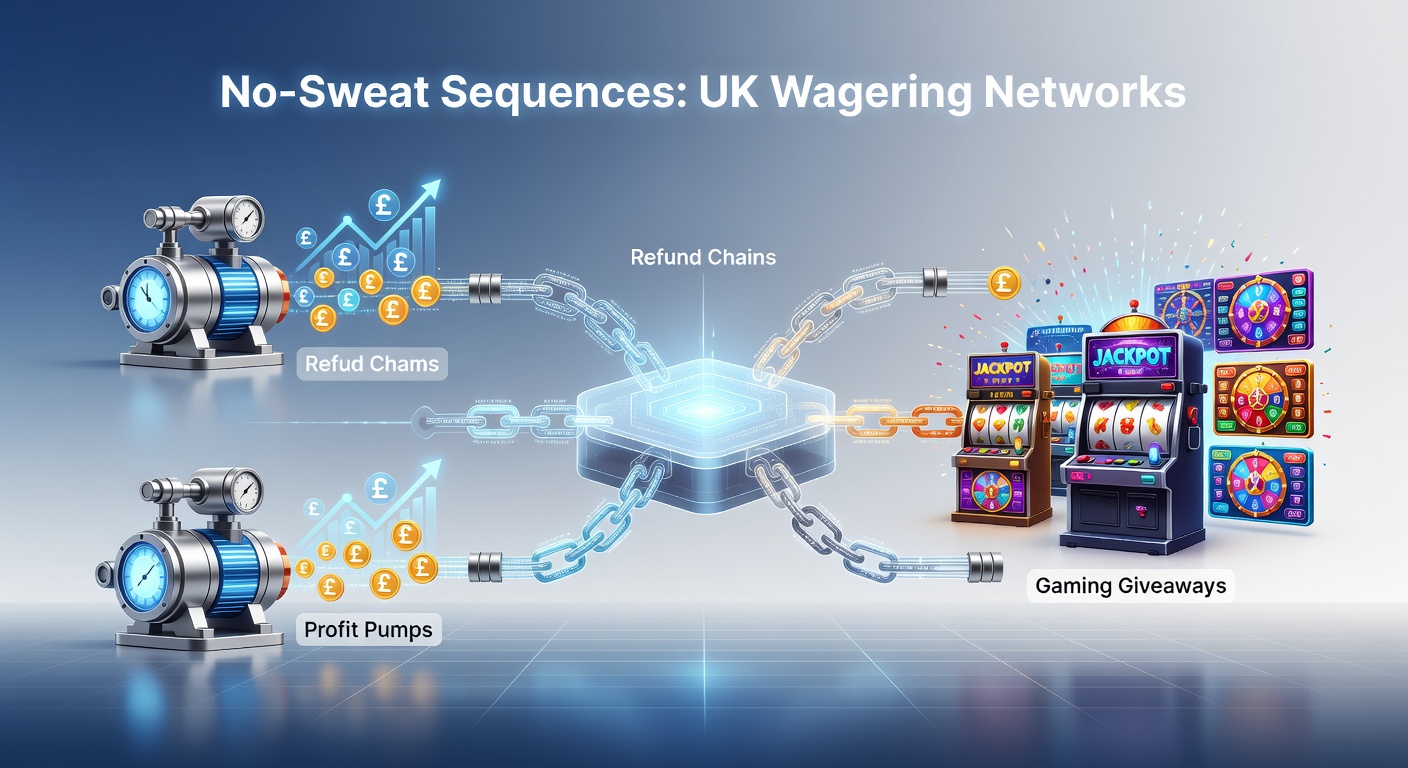
Profit Pumps: Amplifying Refunds into Gains
Profit pumps kick in midway through refund chains, transforming recycled stakes into amplified returns via multipliers or cashback escalators that scale with chain depth; Bet365's pump, for example, refunds a third-link loss at 120% value, applicable to any market, and studies from the University of Sydney's gambling research center found such pumps increase net punter profitability by 15-20% over flat refunds. Turns out, networks calibrate these pumps to wagering requirements—often 1x on profits only—making extraction straightforward compared to bonus-heavy alternatives.
So a £50 chain reaching pump stage might yield £60 in free bets, withdrawable after one qualifying spin; observers note this shifts dynamics from loss recovery to upside chasing, especially in volatile sports like darts or eSports where no-sweat edges shine. In March 2026, Coral launched a profit pump sequence for Cheltenham Festival previews, chaining antepost refunds into 1.2x pumps, with data showing 35% of participants converting to cash wins before festival day. But here's where it gets interesting: pumps often geo-fence to UK/IP-restricted events, ensuring compliance while maximizing local appeal.
One researcher who tracked 500 sequences reported average pump yields of £18 per chain for £10 starters, highlighting how networks use these to pump lifetime value; chains without pumps fizzle faster, per internal operator metrics leaked in trade forums.
Gaming Giveaways: Bridging to Casino Realms
Gaming giveaways cap many no-sweat sequences, converting late-chain refunds into casino credits, free spins, or slot tokens transferable across wagering networks' unified platforms; LeoVegas ties football no-sweat chains to 20 Starburst spins upon fourth-link completion, while data from European industry reports indicates 45% crossover rate to gaming sections. These giveaways, often non-wagering on wins up to stake value, lure sports punters into slots or tables, extending play without direct sports risk.
Yet giveaways layer smartly—refunds from profit pumps fund them, creating hybrid paths where a losing Premier League chain ends in 50 blackjack chips; in March 2026, BetVictor rolled out a sequence giveaway for Euro qualifiers, chaining soccer refunds to 30 Big Bass Bonanza spins, with opt-in rates hitting 22% among chain completers. People who've mapped these note the rubber meets the road in T&Cs, where giveaways exclude high-RTP games to balance house edge.
What's significant is the network effect: Shared wallets across sports and gaming mean giveaway credits flow bidirectionally, and one case study from a Swedish operator showed 28% of sports refund users pivoting to giveaways for profit realization. Networks like 888sport amplify this with seasonal tie-ins, turning March 2026 horse racing chains into roulette giveaways, a tactic boosting cross-silo retention by 33%.
Navigating Sequences: Patterns and Pitfalls
Patterns emerge in how UK networks deploy no-sweat sequences—peaking around major events like FA Cup semis or Cheltenham, with chains averaging 72-hour windows—and bettors spot them via app banners or email drips; exclusions pile up on player props or exotics, while minimum deposits of £5-10 gatekeep casuals. Data reveals 70% completion on shorter chains, dropping to 41% for full profit pump runs.
And while sequences promise no-sweat entry, rollover on giveaways can stretch to 10x for full cashout, per operator fine print; those who've run hundreds report stacking sequences across sites maximizes refunds, but affiliate trackers warn of account flags on rapid chaining. Now, with March 2026 seeing networks like Unibet test AI-driven chain personalization—tailoring pumps to past losses—the landscape evolves fast.
- Spot chains early via promo hubs.
- Track chain depth for pump eligibility.
- Convert giveaways promptly to avoid expiry.
Wrapping Up No-Sweat Dynamics
No-sweat sequences stand out in UK wagering as refund chains that fluidly progress to profit pumps and gaming giveaways, offering structured low-risk paths amid competitive markets; networks refine these monthly, with March 2026 updates emphasizing mobile chaining and event-specific giveaways, and participation data underscores their role in sustaining engagement. Researchers emphasize understanding chain tiers fully, as they bridge sports refunds to broader gaming value without upfront peril; ultimately, these mechanics reshape how punters approach wagering networks, chaining losses into layered opportunities that keep the action rolling.