How Data Patterns in UK Punters' Mobile Sessions Trigger Chained Conversions from Accumulator Refunds into Layered Casino Credit Sequences
Wendy Friedrich · Jun 9, 2026

How Data Patterns in UK Punters' Mobile Sessions Trigger Chained Conversions from Accumulator Refunds into Layered Casino Credit Sequences
Data patterns in UK punters' mobile sessions often begin with accumulator placements that end in partial refunds, and these events feed directly into conversion sequences where credits shift toward casino platforms. Observers note that session length, bet frequency, and refund timing create signals that platforms use to layer subsequent offers, while device type and navigation paths further refine teh triggers. Researchers have documented how these mechanics operate across multiple operators without requiring manual intervention from users.Mobile Session Metrics That Initiate the Process
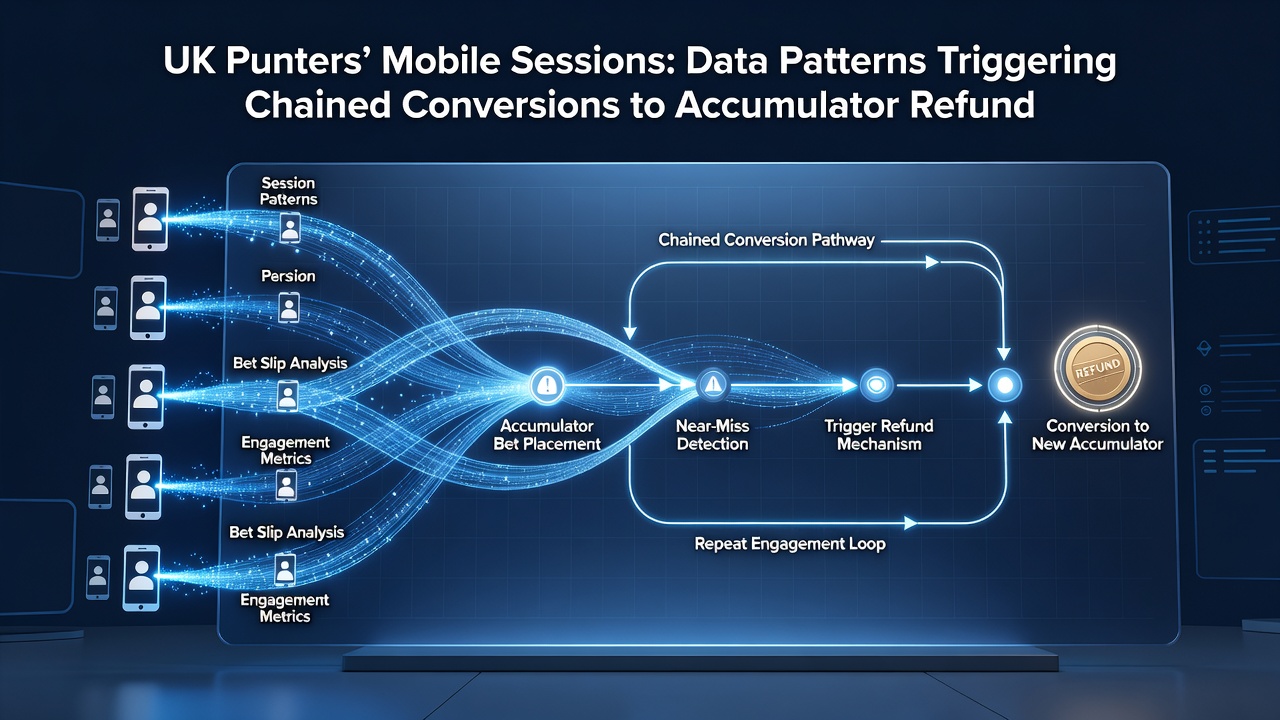
Session duration on betting apps serves as a primary indicator, and when users spend extended periods reviewing accumulator builders the system flags potential engagement with refund mechanics. Clickstream data reveals that repeated views of odds comparison tools during a single session correlate with higher rates of chained credit movements, yet the pattern strengthens when refunds arrive within a narrow time window after the event concludes. Location signals from mobile networks add another layer, because users accessing apps from certain regions trigger enhanced sequences that route credits toward casino sections rather than back to sports wallets.
Push notification interactions also play a role, and those who open refund alerts within minutes of receipt show elevated conversion rates into layered bonus structures. Studies from the Victorian Responsible Gambling Foundation highlight similar data flows in other markets, where timing between refund issuance and next-session login determines whether credits remain in sports or migrate across verticals.
Accumulator Refunds as Conversion Catalysts
Accumulator refunds function as entry points rather than endpoints, and platforms apply algorithms that detect when a refund exceeds a threshold amount before automatically surfacing casino credit sequences. The process activates through backend rules that match refund size to user segment, while prior session behavior determines the depth of the layered offer. Data indicates that refunds from multi-leg accumulators with four or more selections generate longer credit sequences compared with shorter bets, because the system interprets complexity as a predictor of continued engagement.
Device fingerprinting ensures the sequence continues across app restarts, and users returning on the same mobile handset encounter pre-loaded casino credit prompts within the same session cycle. This chaining occurs without additional deposits in many documented cases, although the exact layering depth varies by operator according to internal risk models.
Layered Credit Sequences and Cross-Vertical Routing
Once refunds convert, the credits move through multiple stages that include temporary holds followed by release into casino environments, and each stage incorporates playthrough conditions that differ from the original sports terms. Observers have tracked how these sequences expand when users interact with casino interfaces during the same mobile session that originated the refund, creating a feedback loop that extends the credit lifespan. In June 2026, platform updates introduced finer segmentation that shortened the interval between refund credit and casino access for certain user cohorts while extending it for others based on historical play patterns.
Geographic data from mobile carriers influences routing decisions, and users whose sessions originate in urban postcodes encounter sequences that prioritize slot or table game credits over sports re-bets. Academic work published by the University of Nevada, Las Vegas Center for Gaming Research has examined comparable routing mechanisms in other jurisdictions, confirming that session telemetry drives the majority of these automated transitions.
Technical Triggers Behind the Conversions
Real-time analytics engines monitor swipe velocity and screen dwell time during accumulator construction, and elevated activity in these areas increases the probability that a subsequent refund will initiate a casino credit chain. API calls between sports and casino modules activate when refund events coincide with specific session milestones, such as the third login within a 48-hour period. These technical linkages remain invisible to users yet produce measurable shifts in credit allocation across verticals.
Seasonal factors also modulate the patterns, because higher accumulator volumes during major football tournaments generate more refund events that feed into extended casino sequences during quieter periods. Platforms adjust thresholds monthly to maintain consistent conversion volumes while complying with broader regulatory frameworks outside the UK market.
Conclusion
Data patterns in mobile sessions continue to shape how accumulator refunds evolve into layered casino credit sequences, and the mechanisms rely on timing, device signals, and behavioral markers rather than explicit user choices. Industry reports show these conversions operate through automated systems that respond to session telemetry in real time, while external research from multiple regions confirms the underlying data flows remain consistent across platforms. The process reflects broader trends in digital gambling infrastructure where refunds serve as gateways rather than isolated outcomes.