How British Platforms Structure Layered Incentives to Guide Users from Initial Deposits Through Multi-Stage Reward Pathways in Sports and Digital Gaming Environments
Kai Günther · Oct 10, 2026
How British Platforms Structure Layered Incentives to Guide Users from Initial Deposits Through Multi-Stage Reward Pathways in Sports and Digital Gaming Environments
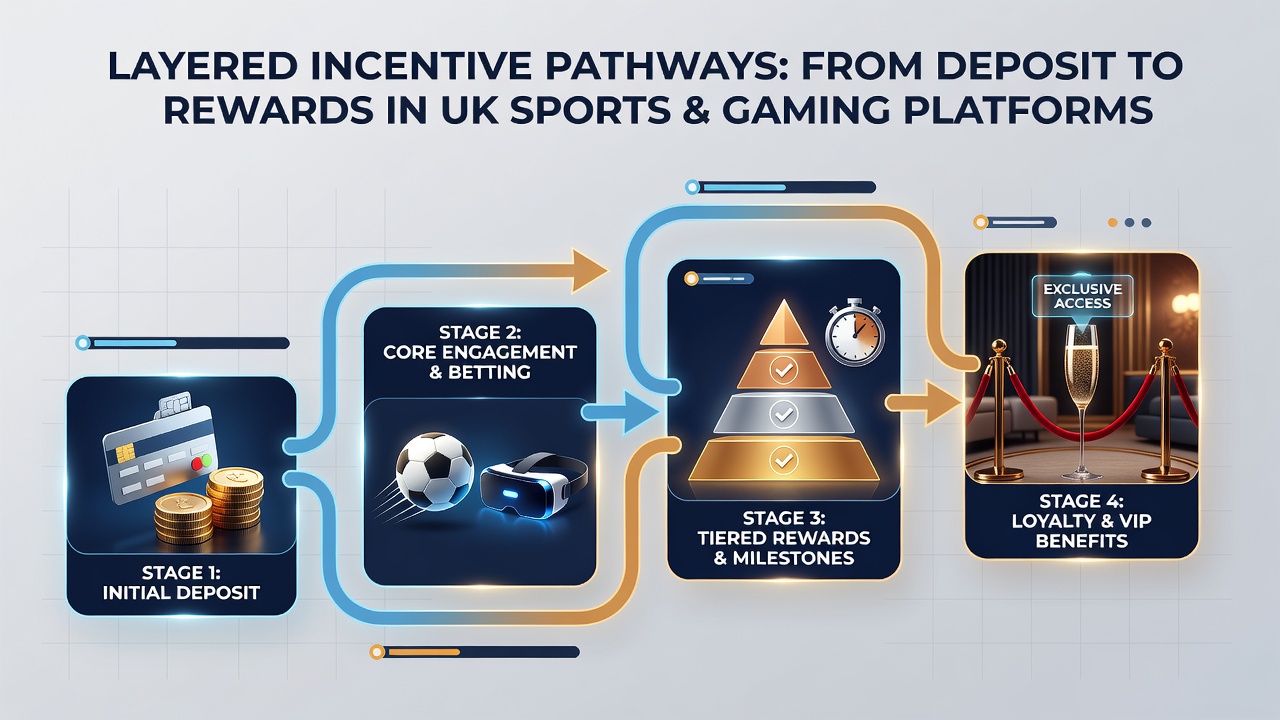
British platforms organize incentive systems that begin with an initial deposit and progress through distinct stages designed to maintain user engagement across sports betting and digital gaming sections, and data from industry reports indicate these structures typically combine deposit matches with conditional free bets that convert into further opportunities once specific wagering thresholds are met. Observers note that the first layer often activates immediately after a user funds an account, releasing matched amounts or bonus credits that carry defined playthrough requirements before any withdrawal becomes possible.
Initial Deposit Triggers and Early Reward Activation
Users who complete their first deposit encounter structured entry points where platforms allocate credits based on deposit size, and these credits then feed into sports or gaming selections that determine the next available tier. Research from the European Gaming and Betting Association shows many operators apply percentage-based matches capped at set amounts, with the resulting balance requiring multiple bets on selected markets before progression unlocks. This stage frequently incorporates time limits that encourage prompt activity, while separate conditions apply when the same balance moves into casino-style games.
Progression from Sports Bets to Additional Layers
Once an initial sports wager settles, platforms evaluate outcomes against predefined criteria that can release accumulator-related boosts or partial refunds, and these mechanisms connect directly to later stages where accumulated activity generates credits usable in digital gaming environments. Figures from academic studies at institutions such as the University of Sydney reveal operators track metrics like total stake volume and bet frequency to determine eligibility for subsequent rewards, creating pathways that reward consistent participation rather than isolated actions. Users who advance through sports segments often receive enhanced odds on future selections, which in turn feed into loyalty programs that track cross-platform usage.
Transition Points Between Sports and Gaming Environments
Platforms establish explicit crossover rules that convert sports-derived rewards into gaming credits, and these transitions occur after users meet volume targets measured in either currency or number of qualifying bets. Data indicates many systems employ automated tracking that logs activity in real time, allowing seamless movement from one environment to the other without requiring separate deposits. One documented approach involves releasing slot or table game spins once a sports bonus reaches a certain completion percentage, thereby extending the incentive chain across both verticals.

By October 2026, several major operators had refined these linkages to include mobile-specific notifications that alert users when a pathway opens, and industry analyses confirm such features increase retention rates across the combined sports and gaming ecosystems. The structure relies on clear segmentation so that rewards earned in one area do not automatically transfer without meeting additional conditions, which maintains distinct progression tracks while still permitting integration.
Advanced Tiers and Loyalty Integration
After users complete multiple stages, platforms introduce tiered loyalty programs that aggregate data from both sports and gaming activity, and these programs assign points that unlock higher-value incentives such as cashback percentages or exclusive event access. Evidence from regulatory reviews in jurisdictions outside the United Kingdom demonstrates that long-term participants receive scaled benefits that reflect cumulative spend rather than single deposits, creating sustained engagement loops. Those who reach upper tiers often access personalized offers that adjust based on historical patterns, further embedding the multi-stage model into regular platform use.
Conditional Requirements and Compliance Mechanisms
Every layer incorporates specific terms that govern eligibility, including minimum odds requirements for sports bets and maximum bet limits during bonus play, and platforms enforce these rules through automated systems that prevent premature advancement. According to reports compiled by the Australian Gambling Research Centre, transparent disclosure of these conditions correlates with higher user satisfaction, while opaque structures tend to generate disputes during later stages. Users who navigate the full sequence encounter verification steps at key milestones, ensuring compliance with responsible gaming protocols remains integrated into the reward pathway itself.
Conclusion
British platforms maintain these layered systems by aligning deposit triggers with progressive unlocks that span sports and digital gaming, and ongoing adjustments to thresholds and crossover rules continue to shape how users move through the available pathways. Data from multiple sources confirms the model relies on measurable activity metrics to determine advancement, resulting in structured sequences that connect initial funding to extended participation across environments.