Examining Algorithmic Approaches to Personalizing Multi-Stage Incentive Programs in the United Kingdom's Licensed Betting Industry
Sam Friedrich · Aug 27, 2026
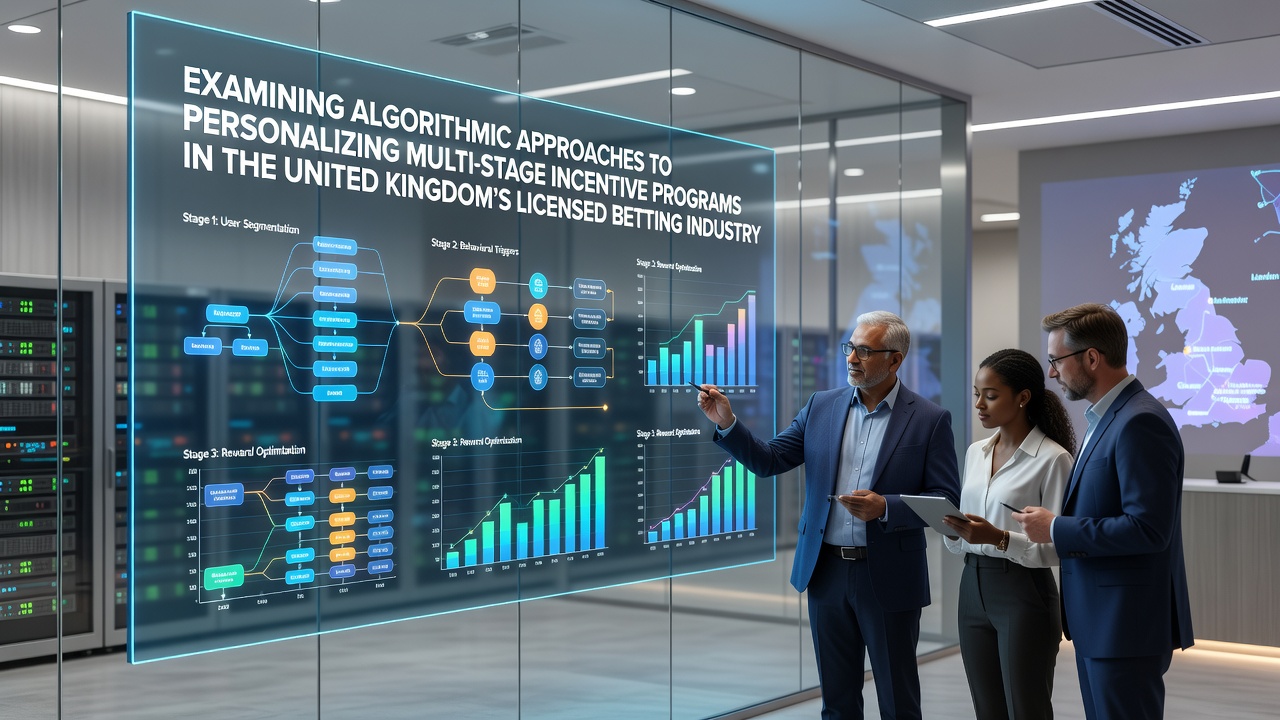
Examining Algorithmic Approaches to Personalizing Multi-Stage Incentive Programs in the United Kingdom's Licensed Betting Industry
Operators in the United Kingdom's licensed betting sector have shifted toward algorithmic systems that tailor multi-stage incentive programs to individual user profiles, and these systems draw on machine learning models to segment bettors based on historical activity, deposit patterns, and engagement metrics. Data from transaction logs feeds into clustering algorithms that identify groups such as high-frequency sports bettors or occasional casino players, allowing platforms to sequence rewards across initial sign-up offers, retention bonuses, and loyalty escalations without relying on generic promotions.
Core Components of Algorithmic Personalization
Personalization begins with data ingestion layers that aggregate variables including bet frequency, average stake size, preferred markets, and device usage, while reinforcement learning frameworks adjust incentive timing and value in response to real-time behavior shifts. Researchers at academic institutions have documented how decision trees and neural networks predict churn risk, enabling the delivery of targeted free bets or enhanced odds at specific intervals rather than fixed calendar dates. In practice, a user who places accumulators weekly might receive a mid-stage odds boost calculated through predictive scoring, whereas another who favors live betting could see casino credit drops triggered by session length thresholds.
Data Sources and Model Training Practices
Training datasets incorporate anonymized records spanning months of activity, and models undergo periodic retraining to account for regulatory changes or seasonal betting trends. Observers note that collaborative filtering techniques, similar to those used in e-commerce recommendation engines, help platforms cross-reference a bettor's sports preferences with casino game selections to create linked incentives that move users between verticals. As of August 2026, several operators have integrated external demographic signals from third-party providers to refine segmentation, though internal performance metrics remain the primary driver for determining which users advance through multi-stage reward sequences.
Studies conducted outside the UK highlight parallel developments. According to research compiled by the Responsible Gambling Council in Canada, algorithmic segmentation reduces wasteful bonus distribution by focusing resources on users most likely to respond positively. Similarly, reports from Australian regulatory bodies indicate that gradient boosting models outperform rule-based systems when forecasting lifetime value and tailoring deposit-match structures accordingly.
Implementation Challenges Across Stages
Multi-stage programs require careful calibration because early incentives influence later engagement levels, and algorithms must balance short-term acquisition goals against long-term retention forecasts. Overly aggressive personalization can trigger regulatory scrutiny around inducement, so compliance modules embed constraints that cap reward frequency or exclude certain user segments. Platforms address this through A/B testing frameworks that isolate variables such as bonus percentage, wagering requirements, and delivery channel, allowing continuous optimization without disrupting the overall user journey.

One documented case involves a system that escalates from welcome free bets to accumulator insurance after a user completes a set number of qualifying wagers, with the insurance threshold dynamically adjusted by an algorithm monitoring profit and loss curves. Another approach uses survival analysis to time the release of casino spins or cashback offers, ensuring they arrive when predicted engagement begins to decline. These techniques rely on feature engineering that converts raw betting logs into actionable scores, and the resulting models update nightly to reflect the previous day's activity.
Integration With Broader Platform Systems
Algorithmic personalization does not operate in isolation. It connects to customer relationship management databases, payment processing gateways, and responsible gambling tools that monitor spending velocity. When a model detects elevated risk indicators, it can suppress certain incentives or redirect users toward lower-stake options, demonstrating how the same infrastructure serves both commercial and compliance objectives. Industry reports from European trade associations show that operators achieving tighter integration between these systems record higher retention rates across multi-stage programs compared with those maintaining siloed applications.
Future Directions in Model Development
Advances in federated learning allow platforms to train personalization models across distributed datasets while keeping individual records localized, addressing privacy considerations that grow more prominent each year. Graph neural networks are also under exploration for mapping social influence patterns within betting communities, though deployment remains limited as of August 2026. The emphasis continues to rest on explainable AI techniques so that operators can audit why specific users receive particular incentives at each stage, satisfying both internal governance and external oversight requirements.
Conclusion
Algorithmic approaches to personalizing multi-stage incentive programs have become embedded in the operational fabric of the United Kingdom's licensed betting industry, supported by iterative model refinement and cross-functional data pipelines. Evidence from multiple jurisdictions demonstrates measurable gains in efficiency and user response when systems move beyond static rules toward adaptive, behavior-driven logic. Continued refinement will depend on balancing predictive accuracy with regulatory boundaries and user privacy expectations, shaping how operators structure rewards that progress from acquisition through sustained engagement.