Charting the Progression of Operator-Driven Incentives from Registration Through Extended Play in British Markets
Sam Friedrich · Jun 30, 2026
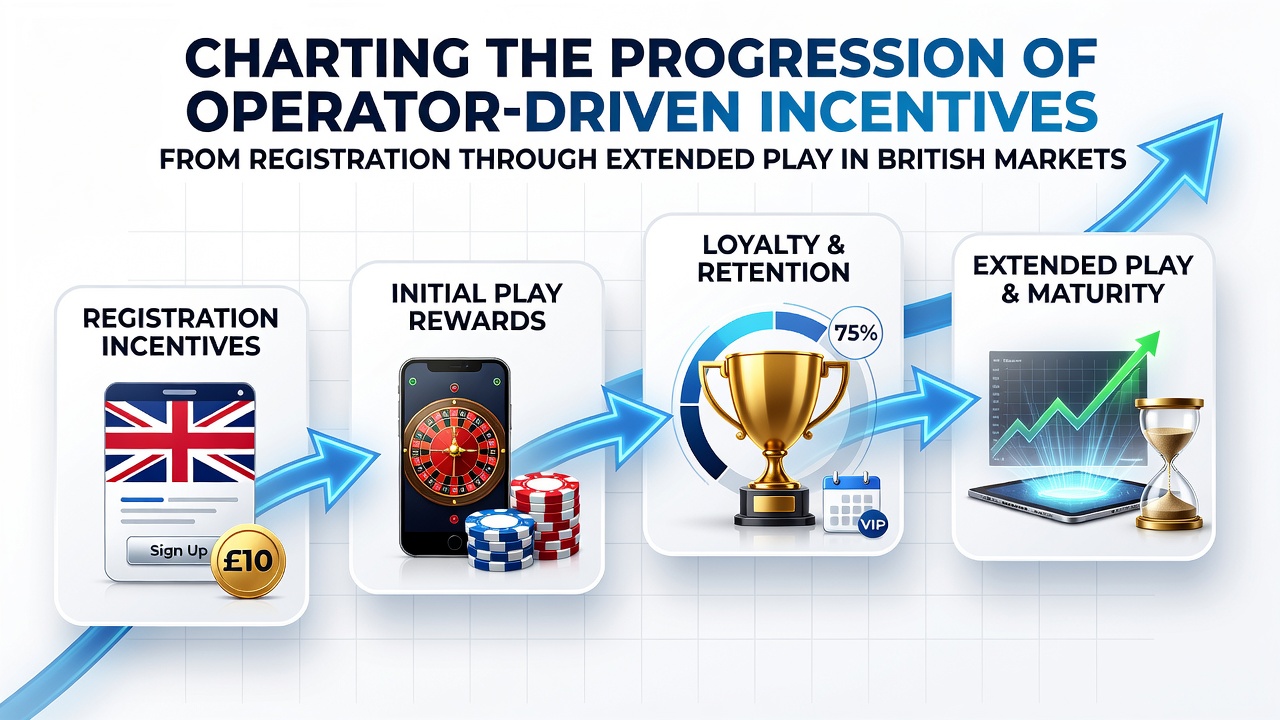
Charting the Progression of Operator-Driven Incentives from Registration Through Extended Play in British Markets
Operator-driven incentives in British markets follow structured progressions that begin at registration and extend through repeated engagement periods, with data from industry analyses indicating layered reward mechanisms designed to sustain participation across multiple sessions. Registration typically activates initial entry points such as account verification bonuses, while subsequent stages incorporate deposit-related enhancements and activity-based credits that scale with user tenure. Observers note these sequences align with broader patterns observed in regulated environments where operators adjust offerings based on compliance frameworks and market data.
Registration as the Entry Point
Account creation marks the starting phase where operators collect user details and issue basic access incentives, often tied to email confirmation or identity checks completed within the first 24 hours. These early rewards establish baseline engagement without requiring financial commitments, and records from platform audits show they frequently transition into conditional offers once verification clears. The process connects directly to later stages because registration data informs personalized sequences that activate after initial logins, creating a foundation for extended tracking of play patterns.
Deposit and Activation Layers
Following registration, operators introduce deposit-triggered elements that convert preliminary accounts into active ones, with incentives expanding to match funding amounts or provide proportional credits over defined windows. This phase typically spans the first week to ten days, during which usage metrics determine eligibility for follow-up rewards, and figures from market reports reveal operators monitor conversion rates closely to refine these thresholds. Connections between registration data and deposit activity allow systems to escalate offers progressively, linking early steps to mid-term retention tools without abrupt shifts.
Mid-Stage Retention Mechanics
After initial deposits and play sessions, incentive structures shift toward activity milestones that reward consistent participation through point accumulation or tiered credits, often unfolding across four to six weeks. These mechanics incorporate play volume tracking that feeds into automated adjustments, while external data sources highlight how such systems maintain continuity by referencing prior registration and funding histories. One study from the University of Nevada's gaming research division found operators in comparable markets extend these mid-phases by integrating cross-activity bonuses that bridge sports and gaming verticals, sustaining momentum through incremental unlocks rather than isolated events.
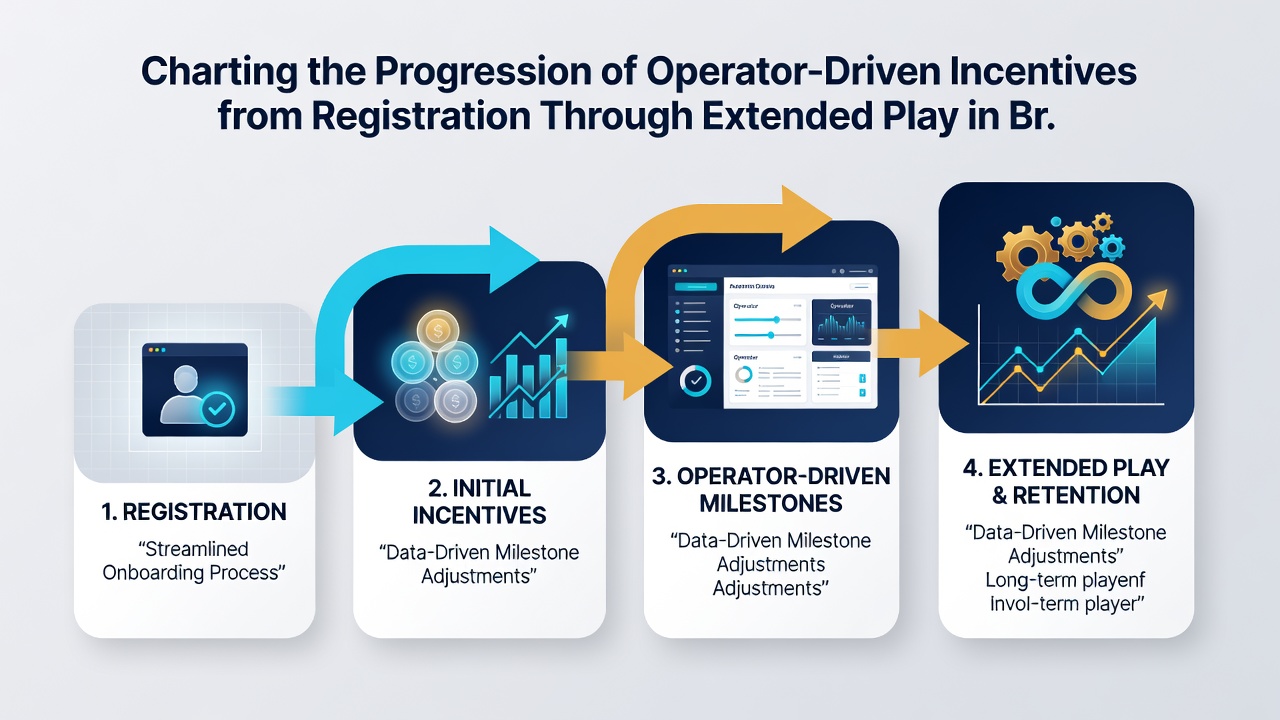
Extended sequences build upon these foundations by introducing loyalty frameworks that activate once users reach cumulative thresholds, with benefits such as accelerated credit rates or exclusive access periods emerging around the two-to-three-month mark. British market operators align these developments with seasonal calendars, and updates noted in June 2026 reflected adjustments in loyalty scaling that responded to aggregated user retention statistics across multiple platforms. The progression here relies on continuous data flows from earlier phases, ensuring rewards compound based on established patterns instead of resetting.
Long-Term Loyalty and Extended Play Integration
Longer-term incentives emphasize sustained involvement through VIP pathways and periodic escalations that activate after six months or more of tracked activity, incorporating elements like personalized multipliers tied to historical engagement levels. Data indicates these programs draw from comprehensive user profiles built since registration, allowing operators to calibrate offerings that encourage ongoing sessions across varied product categories. External analyses from the Canadian Gaming Association's annual reports show similar structures in other jurisdictions produce measurable extensions in average user lifespans when progression remains transparent and sequential.
Regulatory influences shape these timelines, particularly where disclosure requirements affect how operators communicate evolving incentives, and as of June 2026 several British platforms had implemented clearer milestone notifications to align with updated transparency standards. Transitions between phases occur through automated triggers rather than manual interventions, connecting registration origins to extended play outcomes in a continuous chain. Industry organizations such as the European Gaming and Betting Association have documented these evolutions in cross-border comparisons, noting that British implementations often prioritize measurable retention metrics over standalone promotions.
Conclusion
The overall progression in British markets demonstrates interconnected stages that start at registration and unfold through deposit, retention, and loyalty phases, supported by data tracking and compliance considerations that influence timing and scale. Observers track these developments through platform disclosures and aggregated reports, which reveal consistent emphasis on sequential activation rather than isolated rewards. As market conditions evolve, the structures continue to reference foundational user interactions established at the outset, maintaining continuity across extended periods of participation.