Charting Retention Layers Where UK Gambling Platforms Link Ongoing Loyalty Tiers to Multi-Format Reward Progressions Across Sports and Virtual Tables
Mia Simmons · Jul 7, 2026
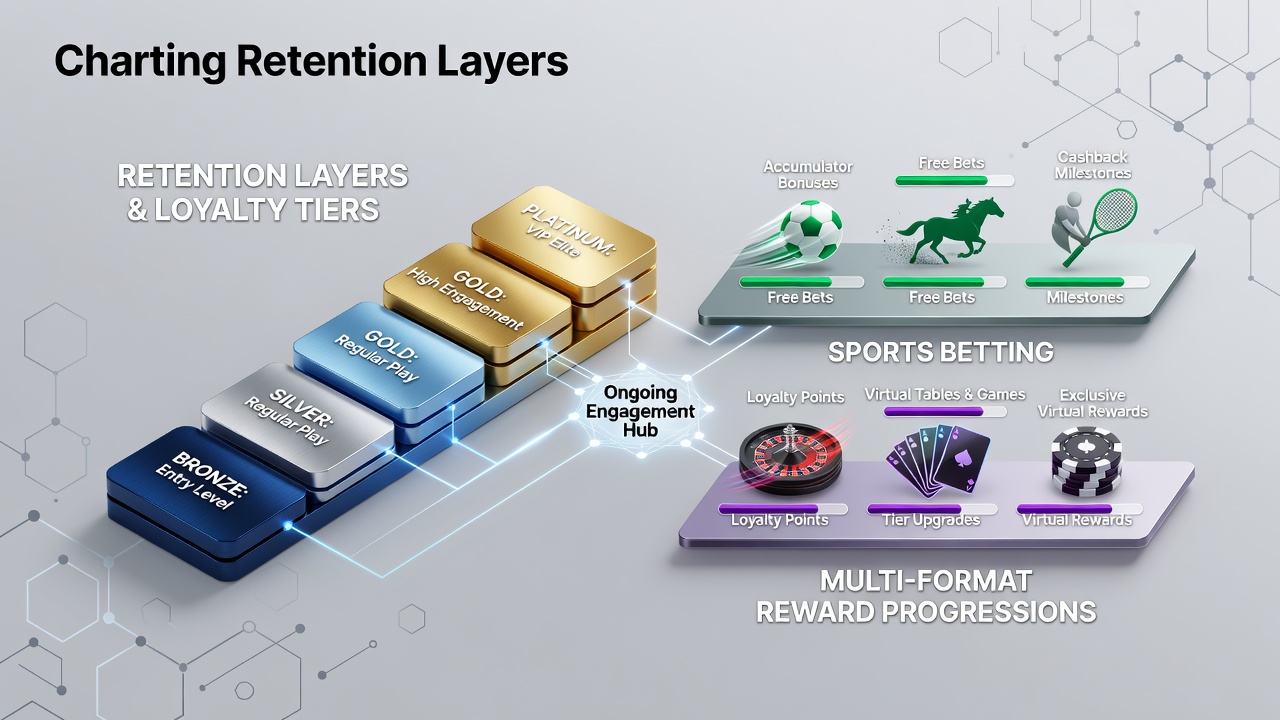
Charting Retention Layers Where UK Gambling Platforms Link Ongoing Loyalty Tiers to Multi-Format Reward Progressions Across Sports and Virtual Tables
UK gambling platforms structure retention through layered loyalty programs that connect tier advancement directly to reward sequences spanning sports betting and virtual table formats; these systems operate by tracking cumulative activity across both categories and unlocking progressive benefits as users move between levels. Observers note that such frameworks emphasize continuity because initial entry rewards feed into sustained engagement mechanisms where sports performance metrics and virtual table session data contribute equally to tier status. Data from industry reports shows these linkages create multi-stage progressions that adjust automatically based on combined betting volumes and game participation rates.
Core Mechanics of Tier-Based Retention Systems
Retention layers begin with entry-level tracking that records activity in sports markets alongside virtual table sessions and this data feeds upward into higher tiers where reward multipliers apply to both formats simultaneously. Platforms implement these layers through unified accounts that aggregate points from accumulator bets or live odds adjustments with virtual roulette or blackjack rounds and the result allows users to unlock enhanced free bet options that carry over to table credit bonuses without separate qualification steps. Researchers at the Responsible Gambling Council have documented similar cross-format integrations in other regulated markets and those findings indicate the approach maintains steady participation by aligning daily sports wagers with periodic virtual table sessions into a single progression path.
Cross-Format Reward Progressions in Practice
Multi-format progressions function when a user advances through loyalty stages and each stage releases rewards that alternate between sports incentives and virtual table credits. For instance a mid-tier advancement might grant an accumulator odds boost that applies to football or horse racing markets while simultaneously delivering table token multipliers usable on virtual blackjack or poker variants and these rewards scale upward as tiers increase. In July 2026 several platforms updated their tracking algorithms to weigh virtual table duration more heavily during off-peak sports seasons and this adjustment balanced progression rates across both formats according to internal platform metrics. The European Gaming and Betting Association reports that operators using integrated loyalty layers experience higher retention because the dual-format structure reduces gaps between sports events and table gaming availability.
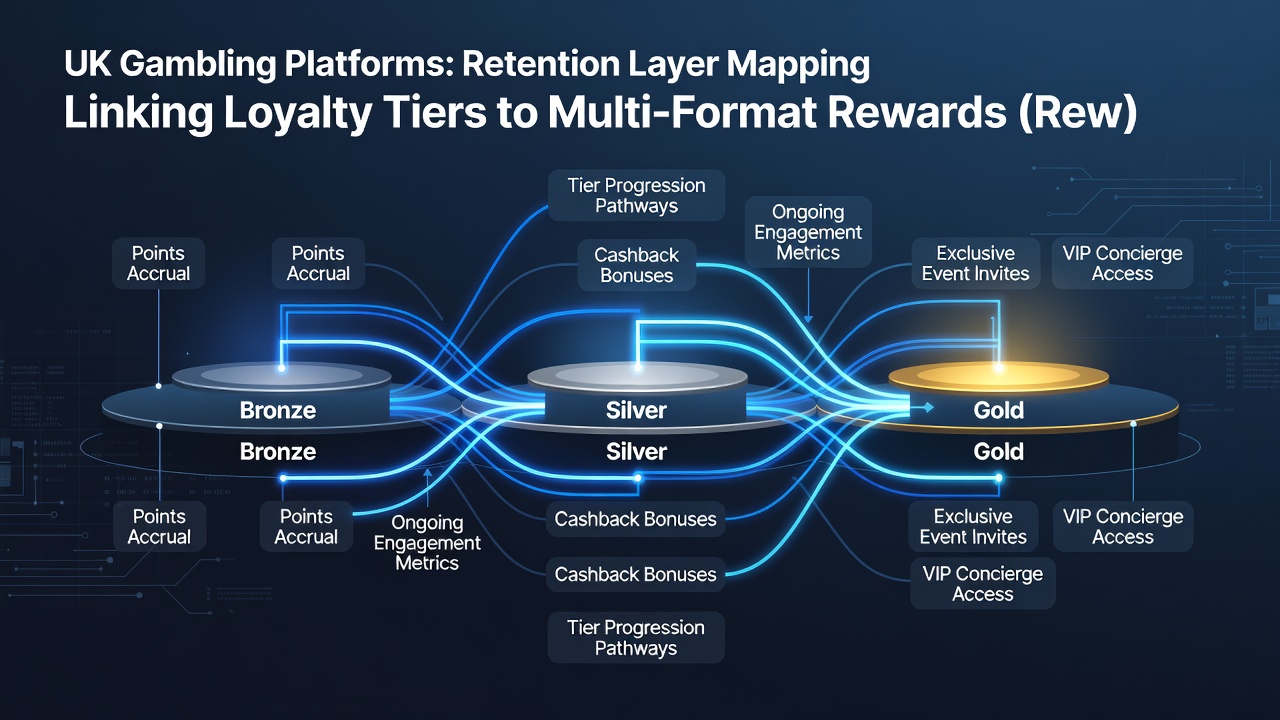
Implementation Patterns Across Platform Networks
Platform networks apply retention layers by establishing shared databases that monitor loyalty points from sports and virtual environments in real time and this enables seamless transfers where a completed sports bet sequence automatically contributes toward virtual table reward thresholds. Those who've studied these systems observe that the progression often includes intermediate checkpoints where partial rewards activate such as a small sports free bet that unlocks after reaching a virtual table milestone or vice versa. Operators adjust these checkpoints seasonally and in July 2026 updates focused on mobile accessibility so users could view combined progress dashboards while switching between live sports interfaces and virtual table lobbies. Evidence from operational reviews suggests the design prevents format-specific drop-off because advancement remains possible even when one category sees reduced activity.
Data Integration and User Tracking Methods
Tracking relies on centralized algorithms that assign weighted values to sports bets based on stake size and odds complexity while assigning parallel values to virtual table spins or hands and the combined totals determine tier eligibility. This method creates retention layers that evolve monthly as users accumulate points and platforms release new reward tiers at fixed intervals. Figures reveal that integration of these metrics reduces the need for separate promotional campaigns because natural progression through one format supports advancement in the other. Platform documentation outlines how virtual table sessions during major sports tournaments receive bonus multipliers and this tactic aligns peak activity periods across both areas without requiring additional user actions.
Conclusion
UK gambling platforms continue to refine retention layers by strengthening the connections between loyalty tiers and cross-format reward progressions and these developments maintain consistent engagement through unified tracking of sports and virtual table activity. The structures established as of July 2026 demonstrate how ongoing tier advancements deliver alternating benefits that span both categories and support sustained platform use over extended periods.