Britain's Loyalty Frameworks: How Repeat-User Tiers Reshape Access to Layered Wager Incentives and Cross-Format Credits
Katja Perry · Jul 16, 2026
Britain's Loyalty Frameworks: How Repeat-User Tiers Reshape Access to Layered Wager Incentives and Cross-Format Credits
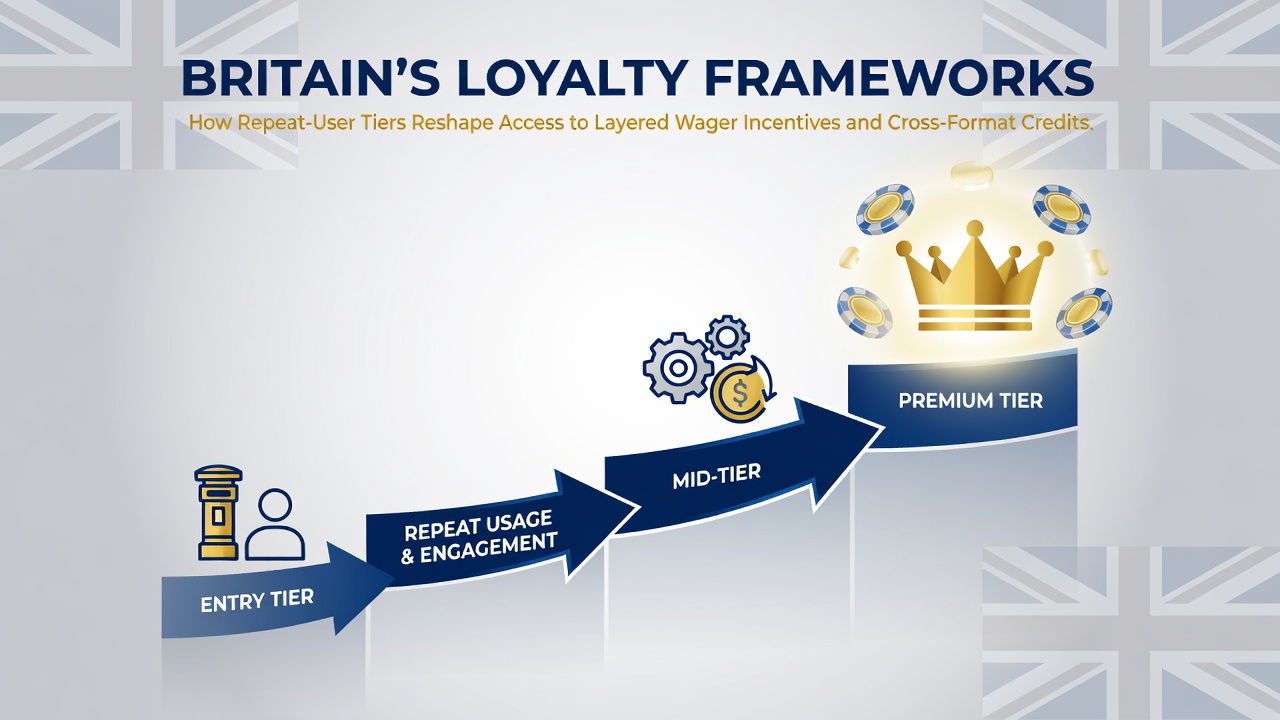
British betting operators structure loyalty frameworks around repeat-user tiers that track activity levels through points accumulation and segment participants into progressive categories such as bronze, silver, gold, and platinum, with each stage unlocking distinct incentive layers that include enhanced odds, cashback percentages, and dedicated free bet allocations.
Operators calculate tier progression using metrics like total stakes placed over rolling periods, frequency of deposits, and engagement across multiple product verticals, while data from industry analyses shows that higher tiers often grant multipliers on standard rewards, turning routine participation into compounded access pathways for layered wager incentives.
Mechanics of Tier Progression and Points Systems
Points accrual operates on a base rate where every pound wagered generates a fixed number of loyalty units, yet multipliers apply during promotional windows or for specific bet types, and observers note that many platforms reset or adjust these rates seasonally to maintain engagement momentum without altering core tier thresholds.
Advancement typically requires meeting both volume and consistency criteria, so a user might climb from bronze to silver after accumulating 5,000 points within three months, whereas gold status demands sustained monthly activity alongside higher aggregate stakes, creating natural barriers that reward habitual rather than sporadic participation.
Layered Wager Incentives Unlocked by Tiers
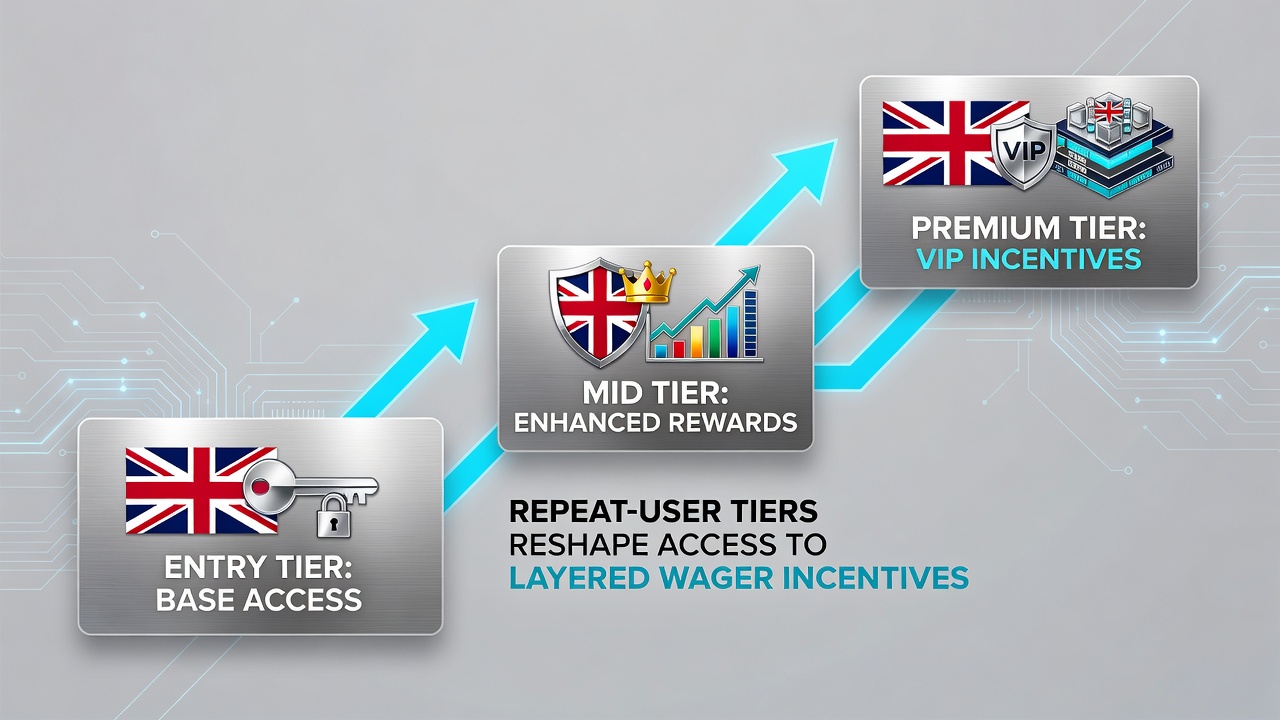
Repeat-user tiers directly influence the depth of available wager incentives, as bronze members receive entry-level free bet credits upon reaching modest milestones, while silver participants gain access to boosted accumulator returns and weekly cashback on net losses that compound across consecutive weeks of activity.
Gold and platinum tiers introduce further stratification with personalised odds enhancements on selected markets, priority withdrawal processing for reward redemptions, and invitations to exclusive tournaments that distribute additional credits, and research from gambling analytics groups indicates these escalations correlate with measurable increases in retention metrics across operator portfolios.
Cross-Format Credit Integration Across Tiers
Cross-format credits emerge as a defining feature of advanced loyalty structures, allowing points earned through sports betting to convert into casino spin allocations or table game vouchers at predetermined exchange rates, and operators frequently adjust these ratios based on user tier so that platinum members receive favourable conversion multiples compared with entry-level accounts.
Integration occurs through unified account dashboards where sports-derived loyalty balances feed directly into casino wallets, enabling seamless transitions that support extended play sessions without requiring separate deposits, while figures from cross-industry reports reveal that such linkages have expanded notably in the first half of 2026 as platforms refine their multi-vertical offerings.
July 2026 saw several major operators introduce tier-specific crossover events that doubled conversion values for gold and above participants during designated weekends, creating temporary spikes in cross-format redemptions that aligned with major sporting calendars and seasonal casino promotions simultaneously.
Regulatory Context and Data Patterns
According to findings published by the Australian Gambling Research Centre, loyalty tier systems in comparable markets demonstrate clear patterns where higher engagement thresholds lead to proportionally greater reward access, and British frameworks mirror these structures while operating under distinct licensing conditions that emphasise transparency in points valuation and redemption processes.
Industry organisations such as the Canadian Centre on Substance Use and Addiction have examined similar tiered models and documented how they reshape participant behaviour through progressive unlocking of incentives, with data indicating that cross-format credits tend to increase overall platform stickiness when conversion remains frictionless.
Practical Examples of Tier-Driven Access
Consider a repeat user who starts in bronze and places consistent weekly stakes across football accumulators, gradually qualifying for silver status that activates monthly free bet top-ups plus a small percentage cashback applied to casino deposits, and observers have tracked how this progression often coincides with users exploring new formats they previously ignored.
Another pattern surfaces when platinum members leverage accumulated credits for high-value tournament entries that blend sports prediction challenges with casino prize pools, and these hybrid events have gained traction in mid-2026 as operators seek to consolidate engagement across verticals through unified loyalty currencies.
Conclusion
Britain's loyalty frameworks continue evolving through tier-based segmentation that systematically alters how repeat users encounter and utilise layered wager incentives alongside cross-format credits, with progression mechanics, conversion ratios, and regulatory alignments shaping the overall landscape as operators respond to participation data and market conditions through 2026.