Britain's Digital Gambling Networks Reveal How Initial Signup Layers Expand into Cross-Platform Retention Tools and Virtual Play Credits
Kai Günther · Jun 23, 2026

Britain's Digital Gambling Networks Reveal How Initial Signup Layers Expand into Cross-Platform Retention Tools and Virtual Play Credits
Britain's digital gambling networks function through structured layers that start with basic user registration and verification steps before expanding into interconnected systems designed for ongoing engagement across multiple platforms, and these frameworks incorporate virtual play credits as a core element that sustains activity once initial access has been established.
Registration typically begins when users provide personal details through online forms or mobile applications, after which automated checks confirm identity via documents or third-party services while data flows into centralized databases that track entry points and link them to subsequent user profiles.
Expansion from Signup to Broader Network Integration
Once registration completes, the initial layers connect directly to cross-platform tools that monitor activity patterns and adjust interfaces accordingly, so a user who starts on a desktop site finds seamless transitions to mobile apps where retention features activate based on prior interactions and virtual play credits appear as accumulated balances within dedicated accounts.
Observers note that these expansions rely on backend algorithms which process signup information to create personalized pathways, and research from the European Gaming and Betting Association indicates that such integrations have grown steadily with network operators prioritizing compatibility between web portals, smartphone applications, and tablet environments to maintain continuous access.
Virtual play credits enter the system at this stage as digital tokens earned through platform participation, and they function separately from real currency transactions by allowing continued engagement in simulated environments that mirror core offerings without requiring additional deposits.
Cross-Platform Retention Mechanisms in Operation
Retention tools build upon the foundational signup data by deploying notification systems, progress trackers, and loyalty structures that operate across devices, while data synchronization ensures that activity recorded on one platform updates instantly on others and virtual credits remain accessible regardless of the entry point.
As of June 2026, industry reports highlight increased adoption of unified dashboards that consolidate user histories from multiple sources, enabling operators to deploy retention sequences that respond to usage frequency and session durations without interrupting the flow between sports interfaces, casino modules, or live event sections.
Those who study these networks point out that cross-platform capabilities reduce friction during transitions, and users who begin with simple account creation often encounter layered prompts that guide them toward features like credit accumulation programs which reward consistent multi-device participation.
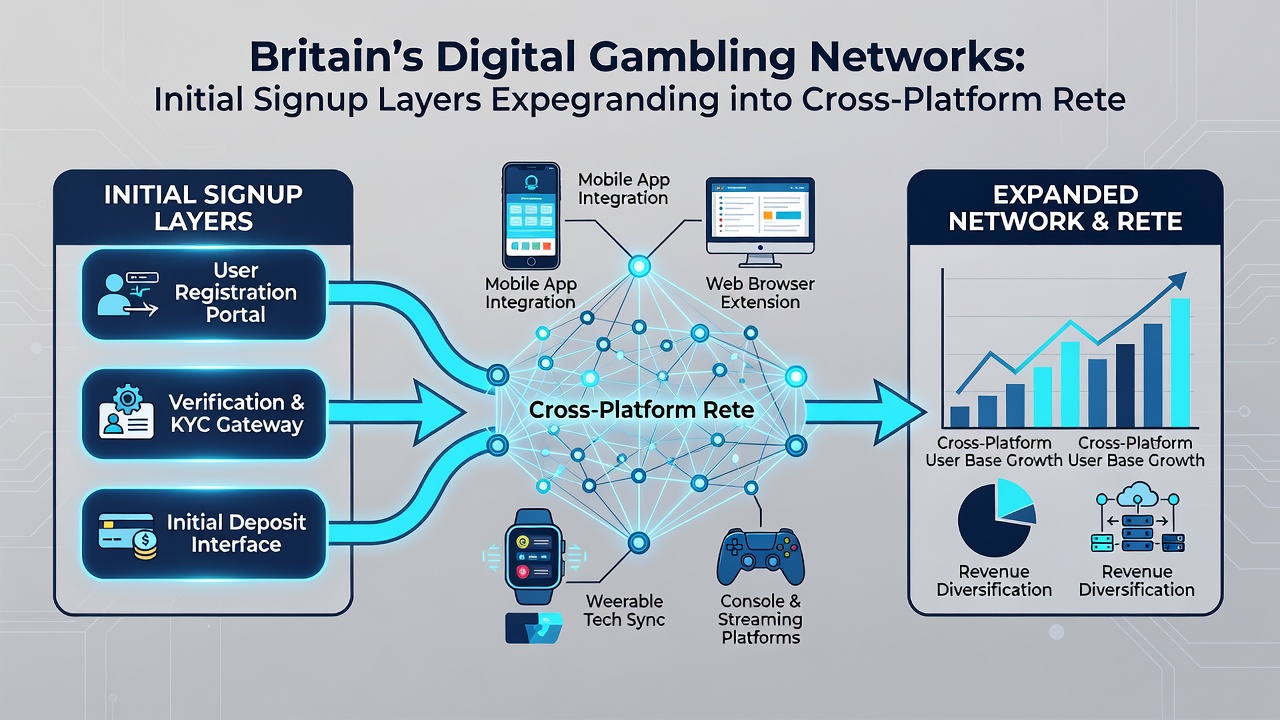
Technical infrastructure supporting these tools includes API connections that link disparate applications, and this architecture allows virtual play credits to transfer or convert based on predefined rules that account for platform-specific activities while preserving overall user continuity.
Role of Virtual Play Credits in Sustaining Engagement
Virtual play credits serve as the endpoint for many retention pathways, originating from signup-derived profiles and expanding through repeated interactions that generate balances usable across game types and device formats, and their design encourages prolonged sessions by providing measurable progress indicators independent of financial inputs.
Analysts examining British networks have documented how these credits integrate with broader retention frameworks, creating loops where initial verification unlocks credit-earning opportunities that then feed back into profile enhancements and cross-platform visibility.
According to findings from the National Center for Responsible Gaming, credit-based systems represent a significant portion of user retention strategies in digital environments, and their implementation in Britain aligns with trends observed in other regulated markets where operators emphasize non-monetary incentives to maintain activity levels.
Network operators manage credit distribution through automated ledgers that record contributions from various platform segments, ensuring that virtual balances reflect cumulative engagement rather than isolated events and that access remains consistent whether users switch between mobile and desktop sessions.
Conclusion
Britain's digital gambling networks demonstrate clear progression from signup layers to expansive retention structures and virtual play credit systems, with data synchronization and cross-platform compatibility forming the backbone of ongoing user connections, and these elements continue to evolve as operators refine integration methods to support sustained participation across all available channels.