Analyzing the Flow of User Acquisition Tactics into Retention Strategies Involving Odds Adjustments and Game Credits
Mia Simmons · Jul 9, 2026
Analyzing the Flow of User Acquisition Tactics into Retention Strategies Involving Odds Adjustments and Game Credits
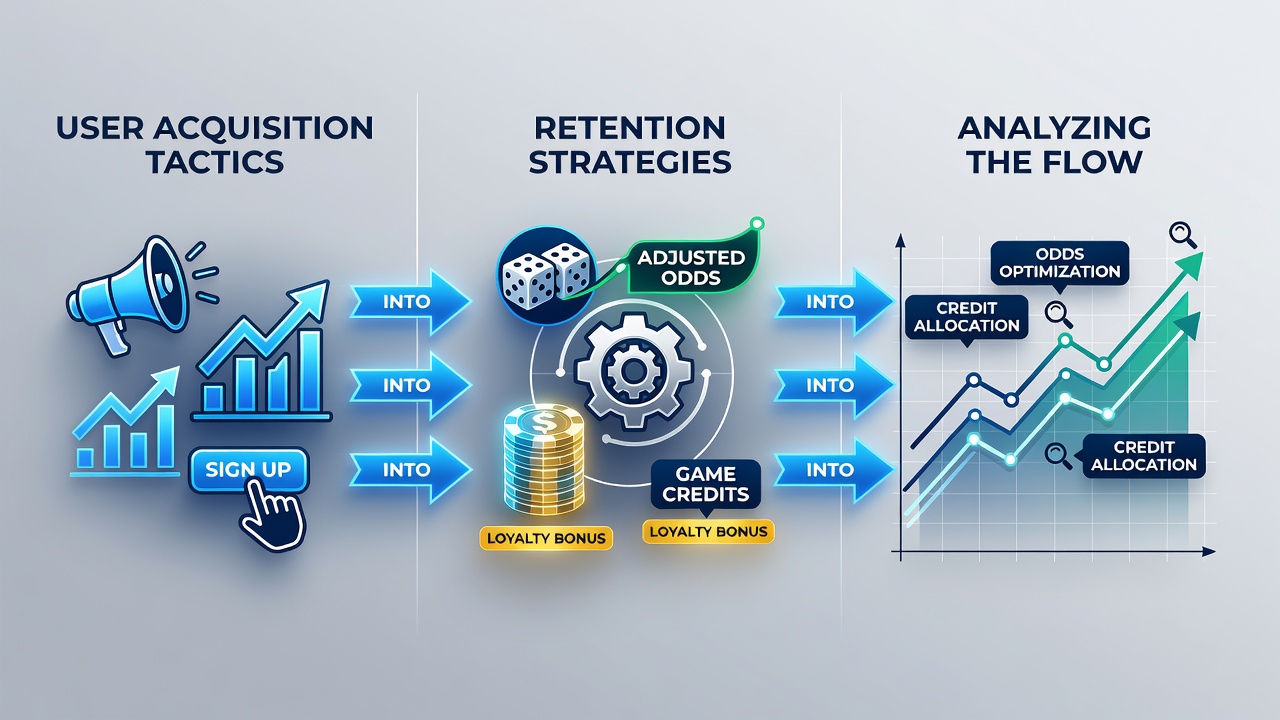
Operators in the online gaming sector track how initial acquisition efforts transition into ongoing retention mechanisms, and data from industry reports indicates that this flow often relies on coordinated adjustments to betting odds alongside allocations of game credits. Research from academic institutions shows that platforms deploy targeted welcome incentives to draw new participants, after which they shift toward personalized odds modifications and credit distributions that encourage continued engagement over extended periods.
Mapping the Transition from Acquisition to Retention
Acquisition tactics typically begin with broad promotional structures that highlight competitive entry points, whereas retention strategies activate once users complete initial interactions, and observers note that successful platforms identify this handoff through behavioral metrics collected during the first few sessions. Studies conducted by research groups reveal patterns where early-stage offers create baseline activity levels, and these levels then inform the deployment of refined odds that reflect individual risk profiles combined with credit grants designed to sustain play across multiple game types.
July 2026 figures from regulatory bodies in various regions demonstrate that platforms maintaining clear linkages between these phases achieve higher repeat participation rates, since seamless progression reduces drop-off points that occur when users perceive abrupt changes in incentive structures. Analysts have documented cases where acquisition campaigns centered on deposit-matched opportunities feed directly into retention protocols that recalibrate odds in real time based on session data.
Role of Odds Adjustments in Sustaining Engagement
Odds adjustments function as dynamic tools that respond to user activity patterns, and evidence from platform analytics indicates that slight modifications to payout ratios on specific markets can extend session durations when paired with credit rewards. Researchers have observed that these adjustments often target underutilized events or game variants, thereby guiding participants toward previously unexplored options while maintaining overall platform profitability.
Platforms integrate these changes through algorithmic systems that process historical betting data, and findings from industry analyses confirm that users exposed to timely odds recalibrations demonstrate increased loyalty metrics compared to those receiving static offerings. The process typically unfolds after acquisition incentives expire, at which point operators apply graduated adjustments that align with observed preferences rather than generic promotions.
Integration of Game Credits within Retention Frameworks
Game credits serve as flexible retention instruments that platforms allocate according to engagement thresholds, and data compiled by international gaming associations shows that credit systems tied to odds adjustments produce measurable uplifts in long-term retention figures. These credits frequently appear as bonuses applicable across sports and casino environments, allowing operators to bridge different product verticals within a single user journey.
According to reports issued by government agencies overseeing gaming in select jurisdictions, the strategic release of credits following odds modifications encourages users to explore additional titles, and this exploration cycle reinforces habitual platform use. Observers note that timing plays a critical role here, since credits delivered immediately after an odds adjustment tend to convert at higher rates than those distributed independently.
Data Patterns and Platform Implementation
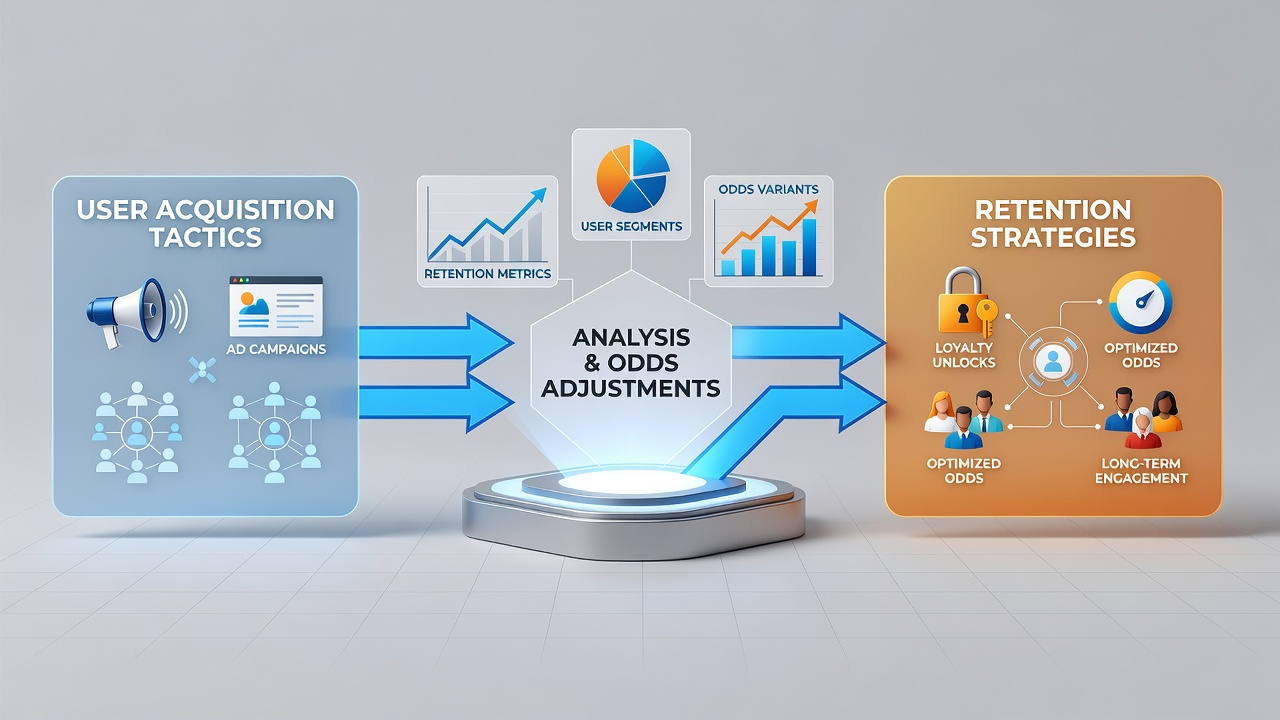
Comprehensive reviews of operational data highlight recurring sequences where acquisition volumes spike during promotional windows, after which retention teams activate layered systems involving both odds recalibrations and credit distributions. Research indicates that platforms employing integrated dashboards achieve more precise targeting, since these tools consolidate acquisition signals with retention outcomes into unified views.
Case examples documented in academic papers illustrate how certain operators sequence these elements: initial free credit grants during sign-up evolve into odds-enhanced opportunities on popular markets, and subsequent credit top-ups reward users who respond to those adjustments. This sequencing reduces friction points and supports sustained activity levels across quarterly reporting periods.
Regulatory Context and Measurement Approaches
Regulatory frameworks in multiple countries require transparent reporting of how acquisition incentives convert into retention tools, and statistics released by oversight bodies emphasize the importance of tracking user progression metrics. Those who've examined compliance records observe that platforms maintaining auditable trails for odds changes and credit issuances encounter fewer administrative hurdles during periodic reviews.
Measurement methodologies employed by research institutions incorporate cohort analysis to evaluate the effectiveness of these flows, and results consistently point to improved retention when adjustments remain responsive to real-time behavioral indicators rather than fixed schedules. Platforms that align these practices with broader industry standards tend to report steadier growth trajectories through mid-2026.
Conclusion
The analysis of acquisition-to-retention flows demonstrates that coordinated use of odds adjustments and game credits forms a structured pathway supported by data-driven decision systems. Evidence gathered across platforms and regulatory sources shows measurable outcomes when these elements operate in sequence, and continued monitoring through 2026 will likely refine understanding of optimal implementation timing and scaling approaches.